



Upside Down House, Poland
See the full Unusual building of the week list here.

Located in the Centre of Education and Regional Promotion in the north Poland town of Szymbark, the Upside Down House is a popular tourist attraction.
Completed in 2007, the house was designed by businessman Daniel Czapiewski as a statement about the uncertainty of life in post-Communist era Poland.
The construction of the timber-clad house proved rather problematic. The foundations alone required 200 m3 of concrete. Danmar, a timber construction company, took 114 days to construct the house, rather than the normal time of just three weeks, in part due to the regular breaks workers had to take because of the disorientation caused by the strange angles of the walls.
Indeed, visitors to the house often report feelings of giddiness and nausea only a few minutes after they have entered through one of the attic windows and walked along the ceiling.
The interior of the house is furnished in a style typical of houses in the Communist-era Poland of the 1970s. There is even an old TV that shows vintage propaganda.
[edit] Find out more
[edit] Related articles on Designing Buildings Wiki
Featured articles
Check out some of the best features and news from Designing Buildings as well as key stories from around the web.
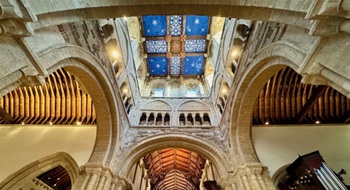
Dorset's first conservation campaigner?
Gov.uk - Hot-rolled steel plate

New anti-dumping measure imposed on South Korea.
ECA responds to the Milburn Report
Youth employment to be linked to workforce demand.
The construction industry urgently needs to attract new talent
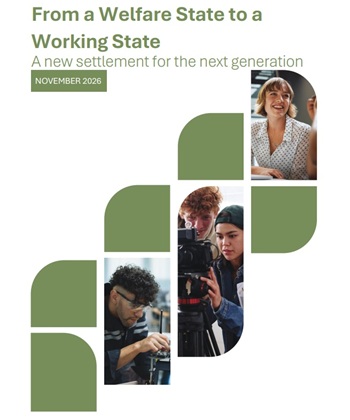
CIOB responds to Neets report.
Grenfell Tower community update

Memorial columns to be retained as careful dismantling continues.
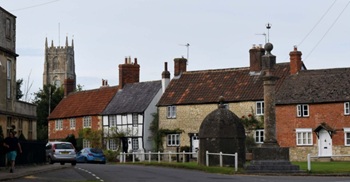
When buildings reflected the local resources available.

CIOB reports 57% are using artificial intelligence technologies.

More of England’s ‘hidden heroes’ will be celebrated.

CIAT calls for retrofit to be a priority.
Version 6 is now available, along with guidance for ECA members.

Post-War Homes: mid-century British architecture. Book review.

CIAT reflects on the party conferences.