





Unveiling the Timeless Beauty and Cultural Richness of Moroccan Tiles
In the world of interior design, certain elements transcend time, weaving tales of tradition, culture, and artistic expression. Amongst these enduring treasures are Moroccan tiles, cherished for their intricate patterns, vibrant colours, and rich history. From humble beginnings in the ancient cities of Morocco to gracing the most luxurious of modern spaces, Moroccan tiles continue to captivate hearts and minds across the globe.
A Tapestry of Tradition:
Moroccan tiles, also known as Zellige tiles, trace their origins back to the 10th century when they first adorned the walls, floors, and ceilings of mosques, palaces, and traditional Moroccan homes. Crafted by skilled artisans using age-old techniques passed down through generations, each tile tells a story of cultural heritage and craftsmanship.
Artistry in Every Detail:
What sets Moroccan tiles apart is their exquisite craftsmanship and intricate geometric patterns. From mesmerising mosaics to mesmerising arabesques, each design is a testament to the artistry and ingenuity of Moroccan artisans. These patterns are not just decorative; they often carry symbolic meanings, representing aspects of Moroccan culture, religion, and history.
A Kaleidoscope of Colours:
One of the defining characteristics of Moroccan tiles is their vibrant colour palette. From earthy terracotta to vivid blues, greens, and yellows, Moroccan tiles celebrate the rich hues of the Mediterranean landscape. These colours are achieved through natural pigments and glazes, giving each tile a unique depth and lustre that only improves with age.
Versatility and Adaptability:
While rooted in tradition, Moroccan tiles have evolved to embrace modern design sensibilities, making them a versatile choice for contemporary spaces. Whether adorning the walls of a bohemian-inspired living room or adding a pop of colour to a sleek modern kitchen, Moroccan tiles effortlessly bridge the gap between the past and the present.
A Sustainable Choice:
In an age where sustainability is paramount, Moroccan tiles shine as a eco-friendly option. Made from natural materials such as clay, sand, and water, and crafted using traditional techniques that minimise waste, Moroccan tiles are not only environmentally friendly but also built to last a lifetime.
Bringing Moroccan Magic Home:
In recent years, Moroccan tiles have enjoyed a resurgence in popularity, finding their way into homes, hotels, restaurants, and spas around the world. Their timeless beauty, cultural significance, and versatility make them a beloved choice for designers and homeowners alike, adding warmth, character, and a touch of exoticism to any space.
Embrace the Beauty of Moroccan Tiles:
As we journey through the rich tapestry of design history, Moroccan tiles stand as a testament to the enduring allure of tradition, craftsmanship, and cultural heritage. Whether you're drawn to their intricate patterns, vibrant colors, or timeless elegance, Moroccan tiles invite us to embrace the beauty of the past while celebrating the possibilities of the future. So why not add a touch of Moroccan magic to your space and let these exquisite tiles transport you to a world of timeless beauty and cultural richness.
Featured articles and news
Guide to ISO 19650 for Architecture Firms (2026)

A user gives their low down.

A UK training and membership provider for mould remediation professionals.
Building Safety recap April, 2026

A short and longer run-through of the month, with links to further information and sources.
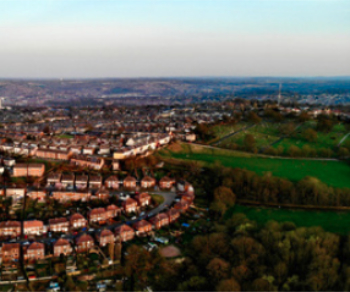
CIAT May 2026 briefing.

Independent NSI and BAFE study exploring how organisations are changing the way they buy fire safety services.

From medieval scribes to modern word art.

ECA welcomes crackdown on late payment and push for clean energy, whilst CIOB seek fixed cladding removal timeframes.
Cyber Security in the Built Environment
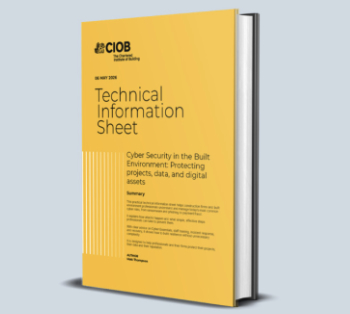
Protecting projects, data, and digital assets: A CIOB Academy TIS.
Managing competence in the built environment

ITFG publishes new industry guide on how to meet the ICC principles.

The UK's campaign to reduce noise pollution: Mythbusting, articles and topic guides.
Setting Expectations on Competence Management

Industry Competence Committee.
New Scottish and Welsh governments
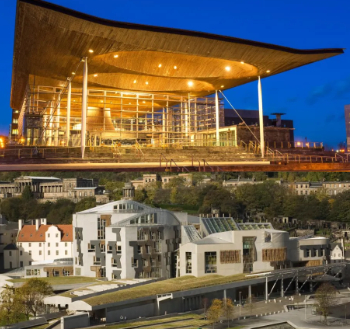
CIOB stresses importance of construction after new parliament elections.
The sad story of Derby Hippodrome
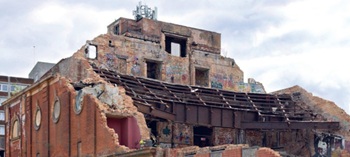
An historic building left to decay.

ECA, JIB and JTL back Fabian Society call to invest in skills for a stronger built environment workforce.
Women's Contributions to the Built Environment.
Calls for the delayed Circular Economy Strategy

Over 50 leading businesses, trade associations and professional bodies, including CIAT, and UKGBC sign open letter.
The future workforce: culture change and skill

Under the spotlight at UK Construction Week London.
A landmark moment for postmodern heritage.
Comments
https://www.designingbuildings.co.uk/wiki/Marketing_opportunities_on_Designing_Buildings
https://www.designingbuildings.co.uk/wiki/Editorial_policy
https://www.designingbuildings.co.uk/wiki/Page_about_me