




Social rent
The National Planning Policy Framework (NPPF), published by the Ministry of Housing, Communities and Local Government in December 2024, suggests that Social Rent: ‘meets all of the following conditions: (a) the rent is set in accordance with the Government’s rent policy for Social Rent; (b) the landlord is a registered provider; and (c) it includes provisions to remain at an affordable price for future eligible households, or for the subsidy to be recycled for alternative affordable housing provision.’
The Charter for Social Housing Residents, Social Housing White Paper, published by the Ministry of Housing, Communities and Local Government (MHCLG) in November 2020, defines social rent as: ‘…low cost rent set in accordance with a government formula.’
It defines the social rented sector as: ‘…homes for rent that are owned and managed by local authorities and private registered providers.’
Housing statistics and English Housing Survey, glossary, published by the Department for Levelling Up, Housing and Communities in 2019, defines social rent as: ‘Affordable housing that is rented at social housing rents, usually owned and managed by local authorities and private registered providers, for which target rents are determined through the national rent regime (see social housing rents). It may also include rented housing, managed by other persons and provided under equivalent rental arrangements to the above.’
See also: Social rented housing and Social housing rents and Social renters.
[edit] Related articles on Designing Buildings
Featured articles
Check out some of the best features and news from Designing Buildings as well as key stories from around the web.
Gov.uk - Hot-rolled steel plate

New anti-dumping measure imposed on South Korea.
ECA responds to the Milburn Report

Youth employment to be linked to workforce demand.
The construction industry urgently needs to attract new talent
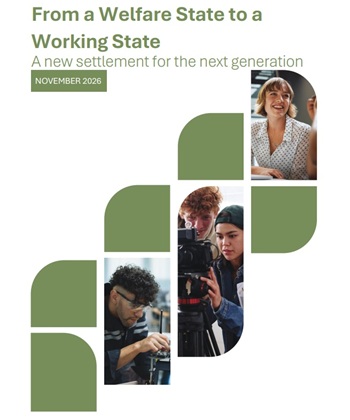
CIOB responds to Neets report.
Grenfell Tower community update

Memorial columns to be retained as careful dismantling continues.
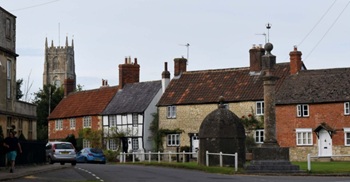
When buildings reflected the local resources available.

CIOB reports 57% are using artificial intelligence technologies.

More of England’s ‘hidden heroes’ will be celebrated.

CIAT calls for retrofit to be a priority.

Version 6 is now available, along with guidance for ECA members.
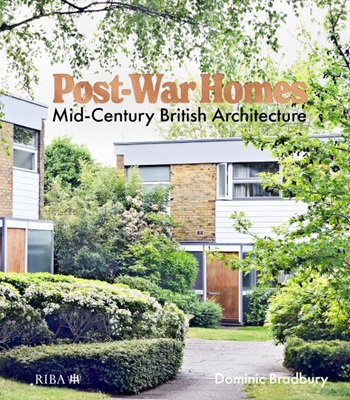
Post-War Homes: mid-century British architecture. Book review.

CIAT reflects on the party conferences.

CIOB announce the winners of the Art of Building photography competition.
Comments
[edit] To make a comment about this article, or to suggest changes, click 'Add a comment' above. Separate your comments from any existing comments by inserting a horizontal line.