





Repudiatory breach in construction contracts
If one of the parties to a contract fails to perform their obligations, this may constitute a breach of contract. A breach of contract may entitle the innocent party to make a claim for damages for the losses it has suffered.
However, where one of the parties to a contract behaves in such a way that it indicates it no longer intends to accept its obligations under the contract, this is considered to be a repudiatory breach (or fundamental breach) allowing the innocent party to terminate the contract and to sue for damages.
Generally the contract will set out behaviour that constitutes a repudiatory breach, and this might include:
- Refusal to carry out work.
- Abandoning the site.
- Removing plant from the site.
- Failure to make payments.
- Employing others to carry out the work.
- Failure to allow access to the site.
- Failure to proceed regularly and diligently.
- Failure to remove or rectify defective works.
- Defaults from Statutory Agencies.
- Bankruptcy or Insolvency of the contractor or employer.
Where repudiation is considered to have occurred, the innocent party can either affirm that the contract will continue or accept the repudiation and so terminate the contract. Either way, it is important that there is some sort of response, as inaction may be considered to be an affirmation of the contract.
Whatever course of action is taken, the innocent party will have the right to claim damages.
An anticipatory breach (or anticipatory repudiation) occurs when one of the parties to the contract declares to the other that they do not intend to perform their obligations under the contract.
[edit] Related articles on Designing Buildings Wiki
Featured articles and news
The future workforce: culture change and skill

Under the spotlight at UK Construction Week London.

A landmark moment for postmodern heritage.
A safe energy transition – ECA launches a new Charter

Practical policy actions to speed up low carbon adoption while maintaining installation safety and competency.
Frank Duffy: Researcher and Practitioner
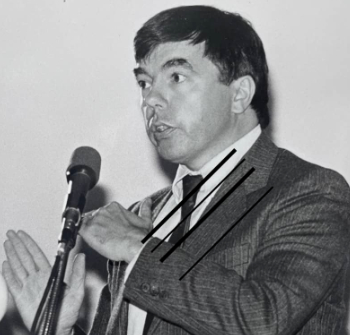
Reflections on achievements and relevance to the wider research and practice communities.
The 2026 Compliance Landscape: Fire doors

Why 'Business as Usual' is a Liability.
Cutting construction carbon footprint by caring for soil

Is construction neglecting one of the planet’s most powerful carbon stores and one of our greatest natural climate allies.
ARCHITECTURE: How's it progressing?
Archiblogger posing questions of a historical and contextual nature.
The roofscape of Hampstead Garden Suburb
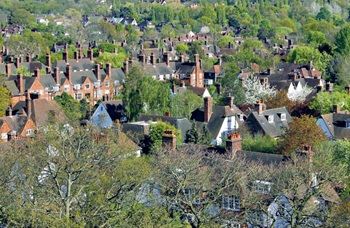
Residents, architects and roofers need to understand detailing.
Homes, landlords. tenants and the new housing standards

What will it all mean?
The Architectural Technology podcast: Where it's AT

Catch-up on the latest episodes.
Edmundson Apprentice of the Year award 2026

Entries now open for this Electrical Contractors' Association award.
Traditional blue-grey slate from one of the oldest and largest UK slate quarries down in Cornwall.

There are plenty of sources with the potential to be redeveloped.
Change of use legislation breaths new life into buildings

A run down on Class MA of the General Permitted Development Order.
Solar generation in the historic environment
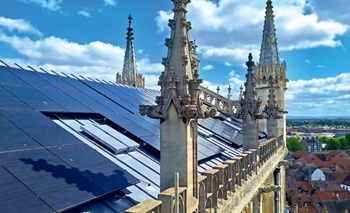
Success requires understanding each site in detail.
Comments
To start a discussion about this article, click 'Add a comment' above and add your thoughts to this discussion page.