





Report shows growing demand in skills in the construction industry
In February 2018, CITB (The Construction Industry Training Board) published a report revealing that there will be a large demand for transferable skills as recruitment will become more difficult after Brexit. https://www.citb.co.uk/news-events/uk/2018/construction-set-for-growth-despite-brexit-uncertainty/
There will be no shortage of opportunities for workers because the report estimates that 158,000 new construction jobs will be created between 2018-2022. The problem is that those new positions need to be filled with skilled workers.
[edit] Why is there a lack of skills in the industry?
The government has given house builders tougher targets as the demand for houses increase year after year, and the number of positions needed to achieve these targets is not getting filled. The Royal Institute of Chartered Surveyors has predicted that the lack of skills could affect 27,000 construction projects every year due to the lack of staff.
More than 400,000 UK construction workers were set to retire in the 5-10 years from 2013, so it is important that the younger generation is upskilled and meeting the goals of building 300,000 new homes every year. Ref https://www.citb.co.uk/news-events/archives/uk-construction-skills-time-bomb/
The benefits of learning new skills can include:
- Better salaries.
- Investment in up-skilling or training.
- Increased job satisfaction.
- Increased motivation and confidence.
[edit] How do we encourage younger people to get into construction?
The good news is that the government are encouraging young people to take more apprenticeships by setting a target of 3 million across all sectors.
It’s good to see that more apprenticeships are being introduced in this sector but it’s important that the basic skills are taught in secondary schools as well. This should help encourage and inspire young people to get into the world of construction and enhance their skills.
The decline in skilled workers in this industry was expected, but this can be fixed if industry experts, the government and schools collaborate to try and encourage younger people to work in this sector.
Featured articles and news
Costs and insolvencies mount for SMEs, despite growth

Construction sector under insolvency and wage bill pressure in part linked to National Insurance, says report.
The place for vitrified clay pipes in modern infrastructure
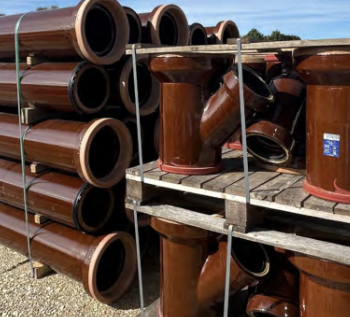
Why vitrified clay pipes are reclaiming their role in built projects.

Research by construction PR consultancy LMC published.
Roles and responsibilities of domestic clients

ACA Safety in Construction guide for domestic clients.
Fire door compliance in UK commercial buildings

Architect and manufacturer gives their low down.
Plumbing and heating for sustainability in new properties

Technical Engineer runs through changes in regulations, innovations in materials, and product systems.
Awareness of the Carbon Border Adjustment Mechanism
What CBAM is and what to do about it.
The new towns and strategic environmental assessments
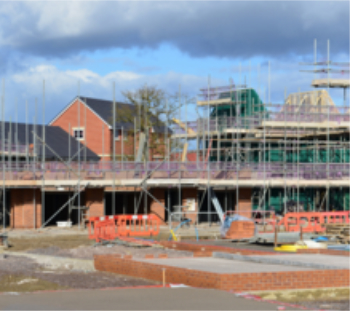
12 locations of the New Towns Taskforce reduced to 7 within the new towns draft programme and open consultation.

Buildings that changed the future of architecture. Book review.
The Sustainability Pathfinder© Handbook
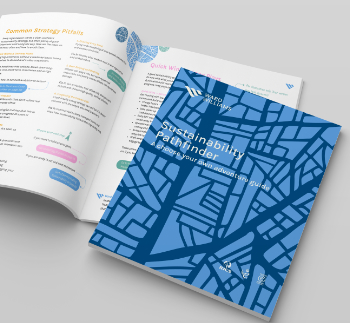
Built environment agency launches free Pathfinder© tool to help businesses progress sustainability strategies.

Government outcome to the late payment consultation, ECA reacts.
IHBC 2025 Gus Astley Student Award winners

Work on the role of hewing in UK historic conservation a win for Jack Parker of Oxford Brookes University.
Future Homes Building Standards and plug-in solar
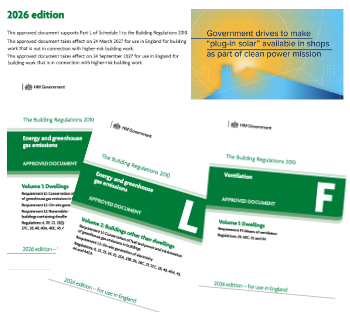
Parts F and L amendments, the availability of solar panels and industry responses.
How later living housing can help solve the housing crisis

Unlocking homes, unlocking lives.
Preparing safety case reports for HRBs under the BSA
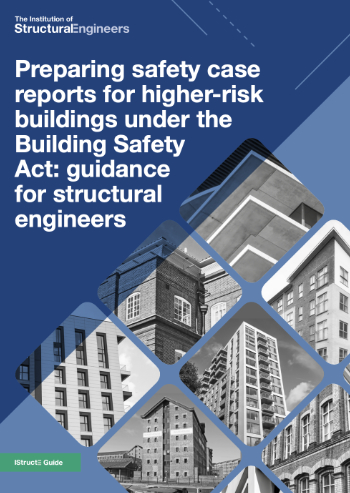
A new practical guide to preparing structural inputs for safety cases and safety case reports published by IStructE.
Male construction workers and prostate cancer

CIOB and Prostate Cancer UK encourage awareness of prostate cancer risks, and what to do about it.