





PwC CEO Panel survey

Contents |
[edit] Introduction
According to the results of an Summer 2020 survey conducted by PwC, global CEOs believe that shifts towards remote working, automation and low-density offices are here to stay. Climate change, supply chain safety and adapting the customer experience are amongst other trends driving long term change. As a result, there is a need for business leaders and policy makers to fundamentally rethink the way they plan, invest and operate in the future.
[edit] Remote work is here to stay
The survey shows the majority of CEOs believe that COVID-19 pandemic driven shifts towards remote collaboration (78%), automation (76%) and fewer people working from offices (61%) are here to stay. Overall, 61% say their business model will be more digital in the future - a change accelerated by the pandemic.
[edit] Workplace priorities
Responses show digital infrastructure, flexible working and employee wellbeing will top boardroom agendas as they reconfigure business operations to secure growth in the future. 58% of CEOs say supply chain safety will remain a focus, driving technology investments to enable tracking of products from production to delivery, and to ensure their suppliers and partners are resilient during crises.
In a challenge to decades of increased globalisation, 39% of CEOs believe there will be a permanent shift towards onshoring and insourcing, and a similar share expect an enduring increase in nationalism.
CEOs are cautious about their own revenue growth prospects in the year ahead (45% somewhat confident: 15% very confident). 65% are predicting a decline in global growth.
Concern about the global economy is highest in Africa, Central and Eastern Europe, Asia and Latin America.
[edit] Future priorities
[edit] Employee health and safety
Business leaders believe the pandemic increased the importance of responding to a wider range of stakeholder issues, particularly employees. Employee support measures included health and safety (92%), wellbeing (61%) and financial support (24%). Those CEOs who maximised retention (36%) and protected employee health and safety (92%) believe it will have a positive impact on their organisation's long-term reputation.
[edit] Climate change
Climate change remains an influential trend for consumers and businesses alike. When asked if the shift to climate change mitigation would endure, 47% said it would. Business leaders believe short-term increases in disposables (including sanitisers and masks) and decreases in the sharing economy would only be temporary.
[edit] The future of cities
While the majority of CEOs (61%) believe there will be lower workplace density than before, they remain divided about what role cities will play in the future: 34% believe the shift towards de-urbanisation will continue; 38% feel it is temporary.
[edit] The role of government
Business leaders are not expecting extended government support, with the majority (57%) believing state intervention is temporary. 30% believe government support will be sustained, despite a gloomy outlook for global and organisational growth prospects. One in five respondents say they declined government backed support for their business during the pandemic.
[edit] Survey specifics
The survey was conducted in June and July 2020 as an extension of PwC's Global CEO Survey. It captures the views of 699 CEOs on emerging business models and key trends resulting from COVID-19. Respondents included leaders of private businesses and public companies, of small firms and large enterprises and represent a diverse cross-section of industries, countries and territories. Respondents came from 67 countries/territories including: Western Europe (42% of respondents): North America (7%); Middle East (3%).
Find out more at: https://www.pwc.com./gx/en/ceo-agenda/ceo-panel-survey.html
[edit] Related articles on Designing Buildings Wiki
- A brighter future for our towns and cities.
- Acoustics in the workplace.
- Beyond the pandemic.
- Building services and health risk resilient buildings.
- Climate change science.
- Coronavirus and the construction industry.
- Face coverings and a shifting policy background.
- Health performance indicators in the built environment.
- Hub and spoke model.
- IMMUNE Building Standard.
- Office space planning.
- Pandemic migration.
- Post pandemic places report.
[edit] External resources
Featured articles and news
Costs and insolvencies mount for SMEs, despite growth

Construction sector under insolvency and wage bill pressure in part linked to National Insurance, says report.
The place for vitrified clay pipes in modern infrastructure
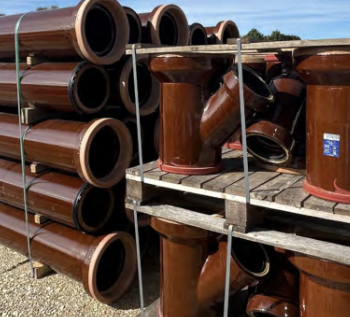
Why vitrified clay pipes are reclaiming their role in built projects.
Research by construction PR consultancy LMC published.
Roles and responsibilities of domestic clients

ACA Safety in Construction guide for domestic clients.
Fire door compliance in UK commercial buildings

Architect and manufacturer gives their low down.
Plumbing and heating for sustainability in new properties
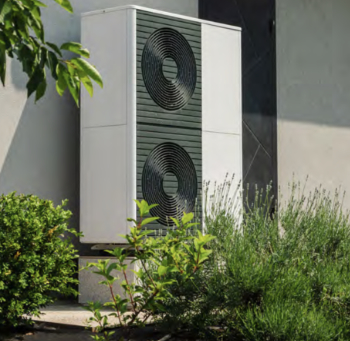
Technical Engineer runs through changes in regulations, innovations in materials, and product systems.
Awareness of the Carbon Border Adjustment Mechanism
What CBAM is and what to do about it.
The new towns and strategic environmental assessments
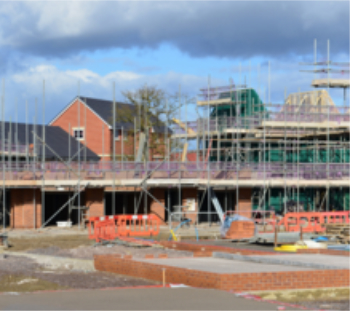
12 locations of the New Towns Taskforce reduced to 7 within the new towns draft programme and open consultation.
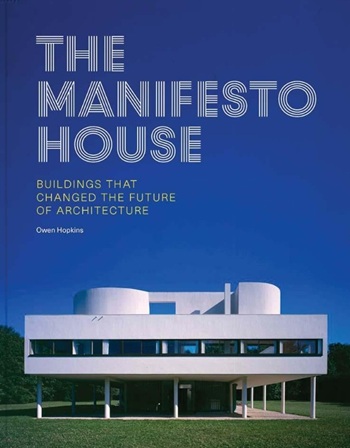
Buildings that changed the future of architecture. Book review.
The Sustainability Pathfinder© Handbook
Built environment agency launches free Pathfinder© tool to help businesses progress sustainability strategies.
Government outcome to the late payment consultation, ECA reacts.
IHBC 2025 Gus Astley Student Award winners

Work on the role of hewing in UK historic conservation a win for Jack Parker of Oxford Brookes University.
Future Homes Building Standards and plug-in solar
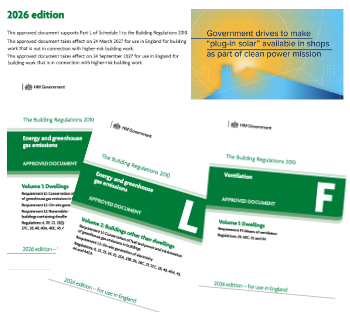
Parts F and L amendments, the availability of solar panels and industry responses.
How later living housing can help solve the housing crisis
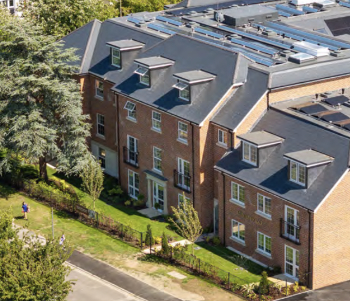
Unlocking homes, unlocking lives.
Preparing safety case reports for HRBs under the BSA
A new practical guide to preparing structural inputs for safety cases and safety case reports published by IStructE.
Male construction workers and prostate cancer
CIOB and Prostate Cancer UK encourage awareness of prostate cancer risks, and what to do about it.