






Growing Importance of Sustainable Packaging in the Construction and Design Industry
In today’s construction and design landscape, sustainability is no longer a choice—it’s a necessity. From material selection to energy efficiency, the industry is evolving to meet eco-conscious standards. But one area that’s often overlooked in the sustainability conversation is packaging—an essential component of transporting tools, materials, finishes, and fixtures.
Contents |
[edit] Why Packaging Matters in the Built Environment
When we think about waste on construction sites, our minds jump to offcuts, rubble, and unused materials. However, secondary packaging waste—boxes, wraps, and pallets—can accumulate quickly. Choosing eco-friendly, biodegradable, or recyclable packaging not only reduces environmental impact but also aligns with BREEAM and LEED certification goals.
Options like:
- Corrugated kraft boxes for shipping hardware and tools
- Rigid boxes for premium samples or presentations
- Custom-sized cartons for modular storage systems
- Printed packaging for branding, building product,s and supplies
These options are ideal for architects and builders who want to present materials professionally or transport fragile samples safely to clients or trade shows.
[edit] Enhancing Brand Identity with Custom Packaging
For interior designers, material suppliers, and even high-end construction firms, packaging is an integral part of the customer experience. Well-designed, branded packaging not only protects the product but also communicates professionalism and attention to detail.
[edit] Supporting a Circular Economy
The UK is steadily pushing toward a circular economy, where packaging should be reusable, recyclable, or compostable. Packaging solutions should be crafted from FSC-certified materials, utilising water-based inks, and minimising plastic usage.
Whether you're delivering design samples, tile collections, fasteners, or smart home devices, using the right kind of packaging contributes to your project's overall sustainability and reduces your carbon footprint.
[edit] Conclusion
The construction and design industry must innovate at every level—including how materials are packaged and presented. Some companies offer simple yet effective ways to reduce waste, boost professionalism, and align with green building standards.
Featured articles
Check out some of the best features and news from Designing Buildings as well as key stories from around the web.
Listed structures on the rail network

Heritage interests and operational requirements must be balanced.
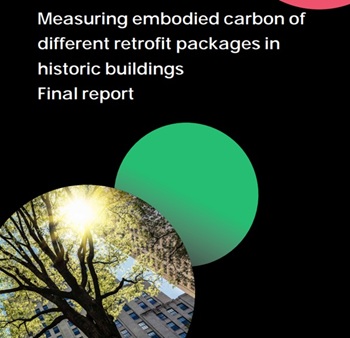
Historic England publishes research into embodied carbon when retrofitting traditional buildings.

New Prime Minister delivers on ECA call for cut in electricity costs.

CIOB reacts to the announcement of Andy Burnham as Prime Minister.

Heritage and conservation science workforce survey - Have your say.

England's Suburbs 1820-2020. Book review.

New, more proportionate and targeted approach for higher-risk building assessments.

Government brings British Steel into public ownership.
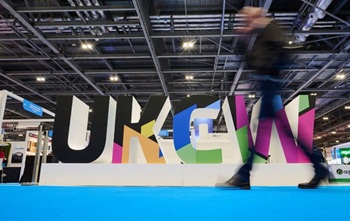
UKCW Birmingham returns with bold new theme and focus.

New guidance published on competence requirements for self-certification schemes.
Construction Management, 8 July
NEETs crisis drives interest in trades, but apprenticeships barriers remain.
Passive fire protection webinar
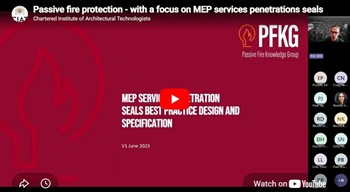
MEP services penetration seals.