





Geotope
The term geotope, is borrowed from the German word and refers to a geological feature which specifically relates to rocks and soil of the uppermost part of the lithosphere. It differs from general land formations of the lithosphere in an area, which are referred to as physiotopes. Both geotopes and a physiotopes are non-living, that is they are chemical and physical parts of the environment, abiotic components or factors that affect living organisms and the functioning of ecosystems.
Geotopes are geological formations of an inanimate nature that impart knowledge about the evolution of the earth or of life. They include individual creations of nature and natural landscape elements as well as outcrops of rocks, soil, minerals and fossils. Geology or geoscience, sometimes called Earth science is the study of the structure, evolution and dynamics of the Earth and its natural mineral and energy resources, this science includes the study of geotopes.
[edit] Related articles on Designing Buildings
- Archaeology.
- Conservation areas.
- Designated land.
- Designated areas.
- Earth heritage.
- Geological periods.
- Geology.
- Lithosphere.
- National parks.
- Physiotope.
- Site of Nature Conservation Interest (SNCI).
- Sites of Special Scientific Interest.
- Special areas of conservation.
- Special protection areas.
- Types of rock.
- Types of soil.
- Types of land.
- World heritage site.
Featured articles
Check out some of the best features and news from Designing Buildings as well as key stories from around the web.

Water sector faces a growing crisis that could slow the delivery of vital infrastructure.
Undervaluing our industrial past

Heritage value changes as taste for building styles changes.
Changing expectations around competence and compliance

New information sheet from CIAT.
Grenfell investigation files passed to CPS

Angela Rayner apologises on behalf of the British state.

Electrical contractors need to understand the practical implications.

The real barrier to getting more value from digital technology.

Your guide to The Construction Reset at UKCW Birmingham.

Accommodating the Victorian and Edwardian working woman. Book review.
Rethinking passive fire protection in design

PFP demands the same level of design rigour as structure or services.

38% of Gen Zs feel safe when a fire door is wedged open.
Stunning images from around the world
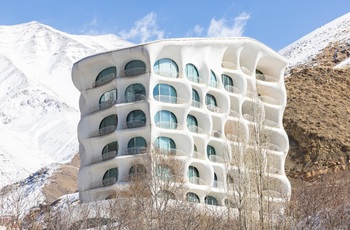
Shortlist for CIOB’s Art of Building photography competition.
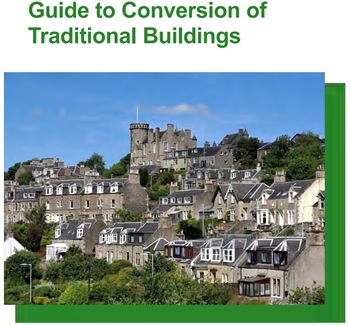
Guidance for conversion of traditional pre-1919 stone buildings.