





Floating structures
Floating structures are designig to float on water, the most common may be called a pontoon, used as a mooring or access for boats. This is opposed to a pier which is raised on legs that are drop in to the bed beneath the water, the equivalent being the difference between floating houses and houses on stilts.
The size and use of floating structures can vary dramatically from small fixed raft structures, such as work platforms and launching rafts to fishing huts or temporary shelter, from individual houses to hotel complexes and complete settlements, offices or even farms, right up to very large floating structures (VLFSs) or platforms (VLFPs). There are a variety of terms that might be associated with this kind of construction such as aqua architecture, aquatecture, water architecture, floating buildings and floating communities etc.
Featured articles
Check out some of the best features and news from Designing Buildings as well as key stories from around the web.

Confronting competency, codes, capacity and costs.

The hidden risk in modern construction supply chains.
Construction Management, 10 June

24 months to 14: CITB launches accelerated apprenticeships.
Bridging the gap between clients and contractors
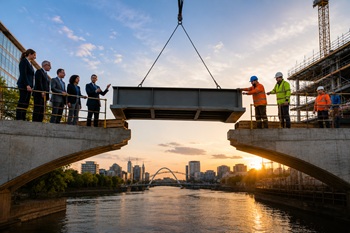
Concerns remain around contractor quality, capability, and delivery.
Construction Management, 10 June.
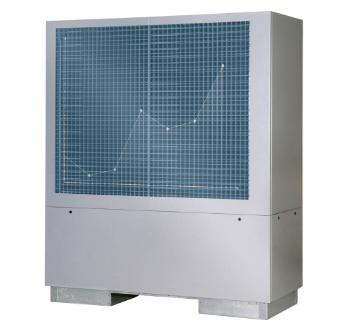
Heat pumps beat boilers in new home tests.
Building Safety Act implementation in Wales

CIAT to host industry panel on 26 June.
New and updated CLC building safety guidance.
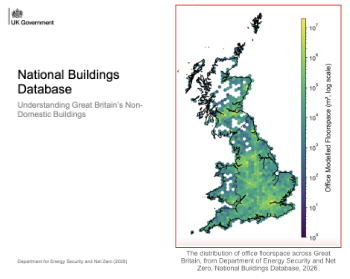
New UK National Buildings Database.
Building Safety Wiki Interviews

Chief executive of the British Woodworking Federation.
Planning condition discharge in England and Wales

A brief explanation from a building compliance expert, with further links.
Overheating guidance and tools for building designers

Guidance for dealing with element of building fabric control that have increasing importance.