





Drop-in hydrocarbon fuels
Drop-in hydrocarbon biofuels, also called green hydrocarbon biofuels or renewable hydrocarbon biofuels and are fuels produced by a variety of biological, thermal, and chemical processes. They are chemically identical to petroleum gasoline or diesel fuel and so compatible with existing petroleum refining and distribution infrastructure but with the advantage of being renewable.
Many drop-in fuels are produced by converting industrial chemical compounds derived from animal and vegetable oil or fat (oleochemicals) such as used cooking oil, tallow or fats. However the processes such as gasification, pyrolysis and hydrothermal liquefaction (HTL) are a way to produce drop-in biofuels from biomass stocks.
Discussion's around the sustainability of biofuels at scale often focus on the ability to replenish stocks of the feed materials, which a greater challenge for oleochemicals than biomass, but in both cases the challenge is the land area required to produce the feeds, which may be used for food production. The main advantage of liquid biofuels from oleochemcals on the small scale is the availability of supply from recycled cooking oils and the ability to almost directly use these in vehicles. Biomass can also be sourced from reclaimed materials such as timber waste but needs to be processed in larger plants to create a useful fuel.
[edit] Related articles on Designing Buildings
- Advanced bioenergy.
- Biogas.
- Biomass CHP.
- Biomass.
- Biomethane.
- Combined heat and power (CHP).
- District energy.
- Energy.
- Environmental impact of biomaterials and biomass (FB 67).
- Feed in tariff.
- Fossil fuel.
- Methane pyrolysis.
- Solid biomass.
- Stove.
- Renewable heat incentive.
- Types of boiler.
- Types of fuel.
- Wood pellet mill basics.
Featured articles and news
The future workforce: culture change and skill

Under the spotlight at UK Construction Week London.
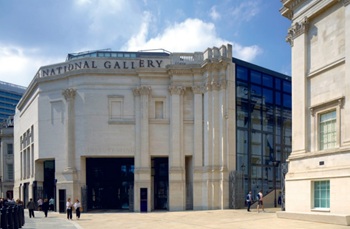
A landmark moment for postmodern heritage.
A safe energy transition – ECA launches a new Charter
Practical policy actions to speed up low carbon adoption while maintaining installation safety and competency.
Frank Duffy: Researcher and Practitioner

Reflections on achievements and relevance to the wider research and practice communities.
The 2026 Compliance Landscape: Fire doors

Why 'Business as Usual' is a Liability.
Cutting construction carbon footprint by caring for soil
Is construction neglecting one of the planet’s most powerful carbon stores and one of our greatest natural climate allies.
ARCHITECTURE: How's it progressing?

Archiblogger posing questions of a historical and contextual nature.
The roofscape of Hampstead Garden Suburb
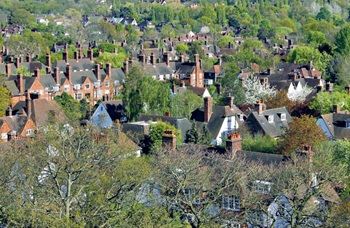
Residents, architects and roofers need to understand detailing.
Homes, landlords. tenants and the new housing standards
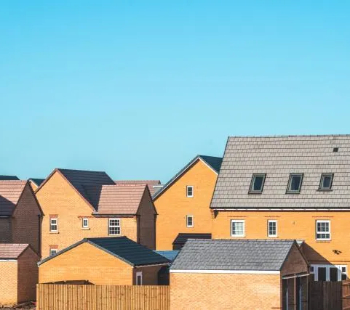
What will it all mean?
The Architectural Technology podcast: Where it's AT

Catch-up on the latest episodes.
Edmundson Apprentice of the Year award 2026

Entries now open for this Electrical Contractors' Association award.
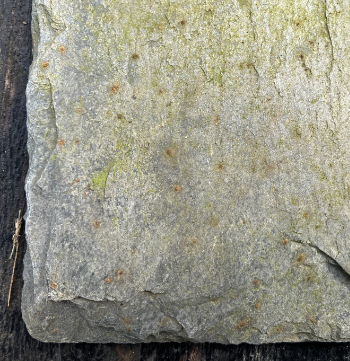
Traditional blue-grey slate from one of the oldest and largest UK slate quarries down in Cornwall.
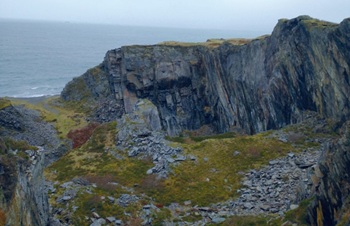
There are plenty of sources with the potential to be redeveloped.
Change of use legislation breaths new life into buildings

A run down on Class MA of the General Permitted Development Order.
Solar generation in the historic environment
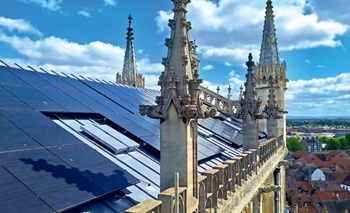
Success requires understanding each site in detail.