






Different Styles and Types of Mirrors in Modern Home Interiors
A mirror is not an optional accessory when it comes to interior design. From the dining room to the bathroom, mirrors play an important role in elevating the elegance and function of a room. So, we have established that a room needs mirrors, but what Kind? How many? and in What shape? Interior designers and contractors often make the below two main classifications when talking about mirrors. Read on to find out more!
Types of Mirrors
- Plain Rectangular Mirror - The most basic and common mirror in the market, plain mirrors achieve clear reflection because it is made of a flat sheet of glass that is then covered with a coating of metal alloy.
- Circular Mirror - These mirrors can be circular or spherical. They can be flat, convex, or concave depending on the level of bulging or depression it has.
- Decorative Mirror - Mirrors such as these will aid in making rooms feel more spacious by reflecting light off the glass and back into the room. It is mostly used as a conversation starter rather than for function. Available in a variety of shapes, decorative mirrors will be both eye-catching and colorful.
- Hollywood Vanity Mirror - Makeup is essential to some people and this is where a Hollywood vanity mirror comes in. Fitted with bulbs all around, this mirror is going to be very bright and can aid you in pointing out the finer details of your face while applying makeup.
- Frame less Mirror - Much like the name suggests, these mirrors do not come with a frame and hence have a minimalist appearance. These are incredibly popular nowadays.
Styles of Mirrors
- Wall-Mounted Mirror - Wall-mounted mirrors are a sensible solution for tiny environments since they may effectively conserve some floor space. They can be fixed onto any walls using tape or nails and other kinds of hardware.
- Hanging Mirror - A hanging mirror is a great way to show both the functional and aesthetic aspects of a mirror. Usually found in a circular and oval shape, these mirrors are hung from the wall at eye level, around 60 inches from the floor
- Free Standing Mirror - Although they consume more space, a free standing mirror is usually a long mirror that is supported on a stand made of either wood or metal. They can provide a full view of a person from head to toe.
- Wardrobe or Door Mirror - They are usually not too large and convenient mirrors that can be attached to wardrobe doors and bedroom doors. These mirrors are a must-have if you are running low on space.
- Floor Leaning Mirror - They are generally kept up against the wall using a stand. To keep your leaning mirrors from slipping on flooring and rugs, place something beneath the mirror's frame, such as a door stopper.
In the end, interior design is all about expressing yourself and mirrors have a great role in that. Enjoy the process while personalizing your room and experiment with different types and styles of mirrors for your home.
Featured articles
Check out some of the best features and news from Designing Buildings as well as key stories from around the web.
Bridging the gap between clients and contractors

Concerns remain around contractor quality, capability, and delivery.
Construction Management, 10 June.
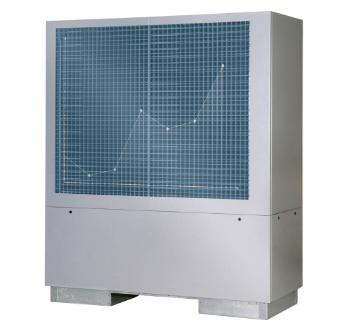
Heat pumps beat boilers in new home tests.
Building Safety Act implementation in Wales
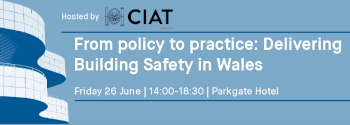
CIAT to host industry panel on 26 June.
New and updated CLC building safety guidance.
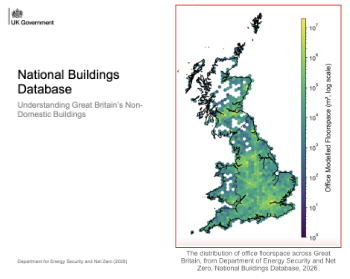
New UK National Buildings Database.
Building Safety Wiki Interviews

Chief executive of the British Woodworking Federation.
Planning condition discharge in England and Wales

A brief explanation from a building compliance expert, with further links.
Overheating guidance and tools for building designers

Guidance for dealing with element of building fabric control that have increasing importance.
Shading for housing, a design guide

From the Good Homes Alliance and British Blind and Shutter Association.
UK Standard Skills Classification (SSC)
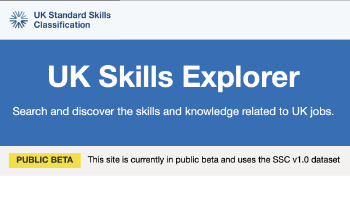
A shared framework for describing skills needs.
Social media ban consultation comes to close

CIOB urges UK Government to consider social media’s role in careers guidance in ban debate.