






Designing daylight solutions for commercial buildings

Introduction
The availability of artificial light over the last two centuries and the restructuring of our working day means we are fast becoming the 'Indoor Generation', a generation of people whose experience of daylight and fresh air during the week can often be restricted to the morning commute to work or school, a quick lunch break or a stop at the supermarket on the way home.
The influence that architecture has on our lives cannot be understated, and the need to create healthier, brighter indoor spaces with greater access to daylight and to the outdoors is a pressing one.
Whilst we have adapted to living indoors, we are essentially still outdoor animals, and our genetic code is designed for us to live in a natural environment.
Light is an acute stimulant that directly alerts the brain and thus can affect energy levels as well as alertness and productivity. It affects mood and influences social behaviours and cognitive performance.
The impact of daylight on occupants in commercial buildings
Research on office buildings has shown that office workers highly value access to a window and to varying degrees of daylight. Even in darker locations within a building, the occupants still expressed satisfaction with the daylight level, as long as they could look into a daylit space. In the YouGov survey, 39% of respondents said that daylight significantly impacts on their mood.
To find out more on how to design commercial buildings for improved health and productivity by utilising daylight download your free copy of the whitepaper, Designing daylight solutions for commercial buildings.
Related articles on Designing Buildings
- Aspects of daylighting design covered by EN 17037.
- Daylight.
- Daylight factor.
- EN 17037 Daylight in buildings.
- Glare.
- Health and wellbeing impacts of natural and artificial lighting.
- Lighting.
- Lighting and health infographic.
- Lighting designer.
- Lighting and offices.
- Rooflights.
- Site layout planning for daylight and sunlight.
- Types of building EN 17037 applies to.
- Solar gain.
- Types of lighting.
- Windows.
Featured articles
Check out some of the best features and news from Designing Buildings as well as key stories from around the web.
Bridging the gap between clients and contractors
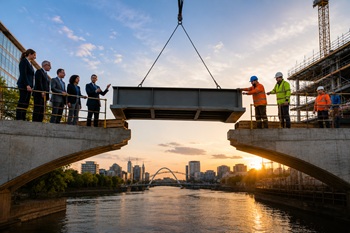
Concerns remain around contractor quality, capability, and delivery.
Construction Management, 10 June.
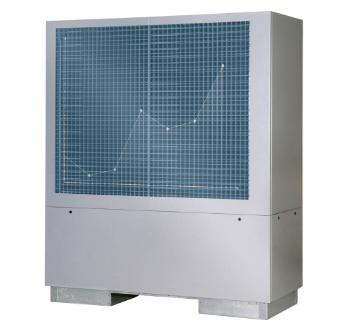
Heat pumps beat boilers in new home tests.
Building Safety Act implementation in Wales
CIAT to host industry panel on 26 June.
New and updated CLC building safety guidance.
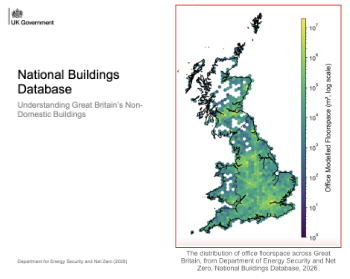
New UK National Buildings Database.
Building Safety Wiki Interviews

Chief executive of the British Woodworking Federation.
Planning condition discharge in England and Wales

A brief explanation from a building compliance expert, with further links.
Overheating guidance and tools for building designers

Guidance for dealing with element of building fabric control that have increasing importance.
Shading for housing, a design guide

From the Good Homes Alliance and British Blind and Shutter Association.
UK Standard Skills Classification (SSC)

A shared framework for describing skills needs.
Social media ban consultation comes to close

CIOB urges UK Government to consider social media’s role in careers guidance in ban debate.