






Delivering Sustainable Buildings: Savings and Payback - Office Case Study for BREEAM UK New Construction 2014

While the multitude of benefits associated with investing in sustainable development practices are increasingly being recognised, for all new construction projects there is always a bottom line impact to consider.
It is for this reason that, in December 2017, a report exploring the cost implications of achieving BREEAM Very Good and Excellent assessment ratings has been undertaken and published.
The latest BREEAM Briefing Paper, titled 'Delivering Sustainable Buildings: Savings and Payback – Office Case Study for BREEAM UK New Construction 2014', uses a speculative office building project that was the basis of a similar report three years ago to review the costs of sustainability today.
The new work takes account of several factors including the increased energy performance demands of Building Regulations Part L2A and the updated assessment criteria of BREEAM UK New Construction 2014. It also examines the difference between BREEAM uplift costs for a building meeting London Plan energy requirements and the same building not so constrained.
The report is published by researchers at BREEAM and Currie & Brown, the leading international asset management and cost consultancy.
Gavin Dunn, Director at BRE, said:
“This Briefing Paper gives developers an updated picture of the cost implications of sustainable development. Both capital and lifecycle costs are considered. In particular, lifecycle costs are examined in respect of energy strategies, and water consumption, including different water supply tariffs.”
The report found that the cost uplift of achieving BREEAM UK New Construction 2014 Excellent ratings is typically less than one per cent of the total construction cost. Analysis of additional costs associated with BREEAM certification at a high standard in terms of energy efficiency and water saving technologies also showed that these costs are relatively modest and that forecast paybacks are quick – typically less than five years for energy and less than two years for water.
Adam Mactavish, operations director at Currie & Brown, points out: “Achieving a high rating under BREEAM 2014 can incur additional costs, but these are less than 1% of the total construction cost. Moreover, long-term savings on energy and water are substantial.”
The challenge for developers and clients is to make sure they consider these issues at an early stage in the design process to secure the benefits and take advantage of a building’s potential to deliver high performance standards by operating them efficiently.
To download a copy of this report see here.
This article was originally published here by BRE Buzz on 17th Dec 2017. It was written by Simon Guy.
--BRE Buzz
[edit] Find out more
[edit] Related articles on Designing Buildings Wiki
Featured articles and news
Costs and insolvencies mount for SMEs, despite growth

Construction sector under insolvency and wage bill pressure in part linked to National Insurance, says report.
The place for vitrified clay pipes in modern infrastructure
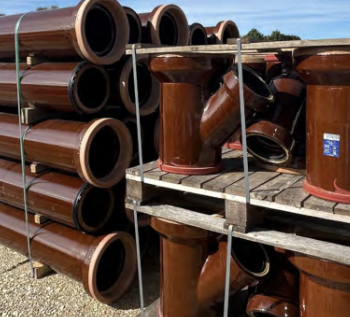
Why vitrified clay pipes are reclaiming their role in built projects.
Research by construction PR consultancy LMC published.
Roles and responsibilities of domestic clients
ACA Safety in Construction guide for domestic clients.
Fire door compliance in UK commercial buildings

Architect and manufacturer gives their low down.
Plumbing and heating for sustainability in new properties
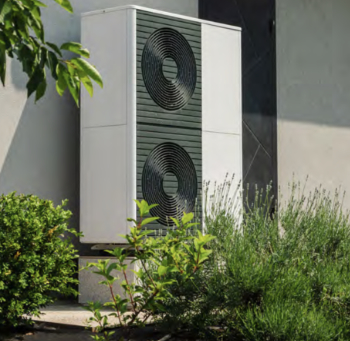
Technical Engineer runs through changes in regulations, innovations in materials, and product systems.
Awareness of the Carbon Border Adjustment Mechanism
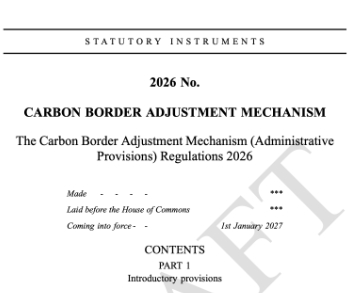
What CBAM is and what to do about it.
The new towns and strategic environmental assessments
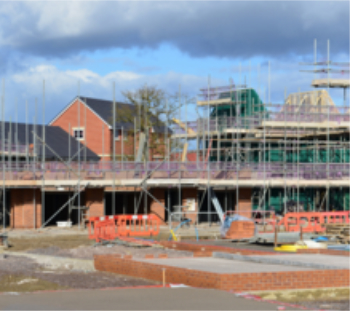
12 locations of the New Towns Taskforce reduced to 7 within the new towns draft programme and open consultation.
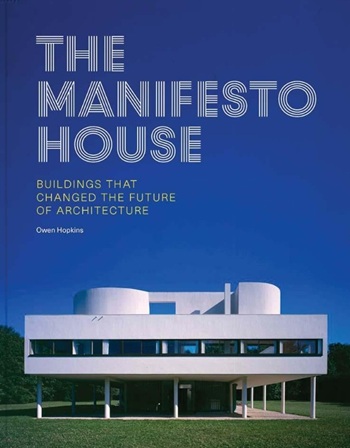
Buildings that changed the future of architecture. Book review.
The Sustainability Pathfinder© Handbook
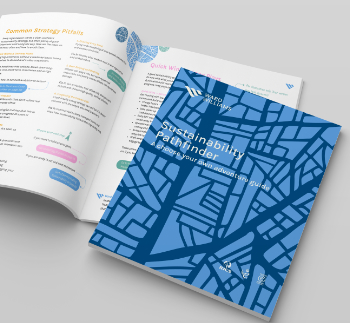
Built environment agency launches free Pathfinder© tool to help businesses progress sustainability strategies.
Government outcome to the late payment consultation, ECA reacts.
IHBC 2025 Gus Astley Student Award winners
Work on the role of hewing in UK historic conservation a win for Jack Parker of Oxford Brookes University.
Future Homes Building Standards and plug-in solar
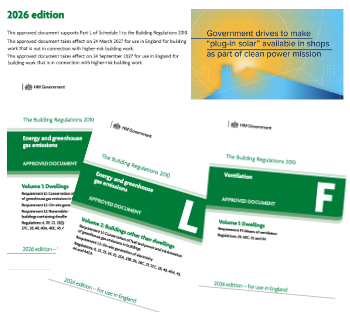
Parts F and L amendments, the availability of solar panels and industry responses.
How later living housing can help solve the housing crisis
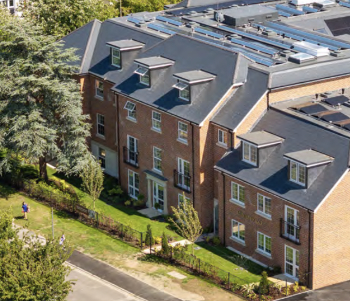
Unlocking homes, unlocking lives.
Preparing safety case reports for HRBs under the BSA
A new practical guide to preparing structural inputs for safety cases and safety case reports published by IStructE.
Male construction workers and prostate cancer

CIOB and Prostate Cancer UK encourage awareness of prostate cancer risks, and what to do about it.