





Debriefing in the construction industry
Glossary of procurement terminology, A guide for suppliers, Published by the London Borough of Richmond upon Thames in April 2012, suggests that debriefing is a process of: ‘Giving positive, constructive feedback to competing suppliers on their performance at certain stages of the procurement process. It gives you the opportunity to improve your performance in the future. It can also help the buyer, as it highlights problems that may have arisen during the procurement process. This gives them the opportunity to improve their procedures.’
STAR Procurement (a shared procurement service for Rochdale, Stockport, Tameside and Trafford Councils), Glossary of Terms, published in May 2019, defines debriefing as: ‘Feedback sessions with unsuccessful tenderers at the end of a procurement process, their aim is to communicate honestly and openly to help tenderers prepared for future tender exercises, both for their benefit and that of the (client).’
[edit] Related articles on Designing Buildings Wiki
Featured articles
Check out some of the best features and news from Designing Buildings as well as key stories from around the web.
New Chief Construction and Scientific Adviser

Sergio Cavalaro, Professor of Infrastructure Systems at Loughborough University.
Building safety levy for England

CIAT publish estimator tool for members.
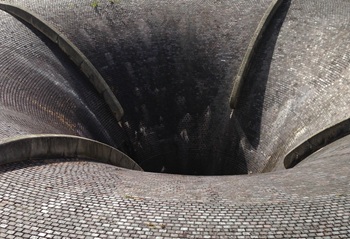
Water sector faces a growing crisis that could slow the delivery of vital infrastructure.
Undervaluing our industrial past
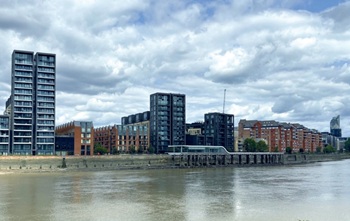
Heritage value changes as taste for building styles changes.
Changing expectations around competence and compliance
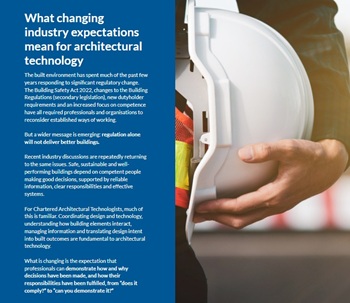
New information sheet from CIAT.
Grenfell investigation files passed to CPS

Angela Rayner apologises on behalf of the British state.

Electrical contractors need to understand the practical implications.

The real barrier to getting more value from digital technology.

Your guide to The Construction Reset at UKCW Birmingham.
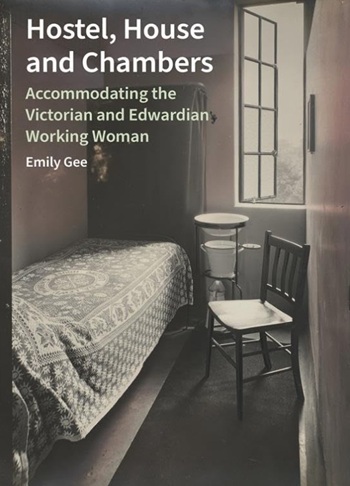
Accommodating the Victorian and Edwardian working woman. Book review.
Rethinking passive fire protection in design

PFP demands the same level of design rigour as structure or services.
38% of Gen Zs feel safe when a fire door is wedged open.