






Comparing the fit between BREEAM assessment and design processes
By Dr Libby Schweber, University of Reading, UK.
Published in Building Research & Information, Vol.42, No.3, pp. 300-317, 2014.
Abstract
This paper explores the mapping of environmental assessment onto design and construction processes. A comparative case study method is used to identify and account for variations in the ‘fit’ between these two processes. The analysis compares eight BREEAM projects and distinguishes project-level characteristics and dynamics. Drawing on insights from literature on sustainable construction and assessment methods, an analytic framework is developed to examine the effect of clusters of project and assessment level elements on different types of fit (tight, punctual and bolt-on).
Key elements distinguishing between these types include: prior working experience with project team members; individual commitment to sustainable construction; experience with sustainable construction; project continuity; project-level ownership of the assessment process as well as the nature and continuity of involvement from assessors. Professionals with experience of sustainability judiciously used BREEAM to support their designs, alongside other frameworks. By contrast, less committed professionals tended to treat BREEAM purely as an assessment method.
The study suggests that more attention should be paid to individual levels of engagement with, and understanding of, sustainability in general - rather than to knowledge of technical solutions to individual credits. More focus should also be placed on ownership of the assessment process and on the potential effect that discontinuities – or interruptions - at the project level can have on sustainable design.
This paper won the Merit Award in the 2014 CIOB Research Paper Award.
The judge's said, “This paper clearly demonstrates how research can reveal the wide variation between formal intent and informal application in the use of environment assessment tools. It points towards the complexity of situations where the BREEAM assessment tool is applied, and demonstrates the differing motivations of individuals in the enactment of BREEAM certification. The work is strongly argued with a good critical analysis, and also shows an excellent use of qualitative data from case studies.”
--CIOB
Featured articles and news
Costs and insolvencies mount for SMEs, despite growth

Construction sector under insolvency and wage bill pressure in part linked to National Insurance, says report.
The place for vitrified clay pipes in modern infrastructure
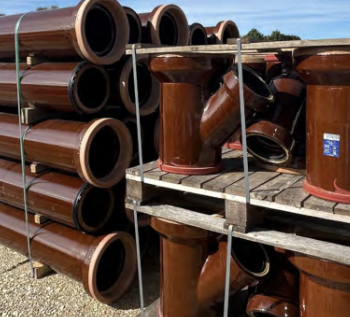
Why vitrified clay pipes are reclaiming their role in built projects.
Research by construction PR consultancy LMC published.
Roles and responsibilities of domestic clients

ACA Safety in Construction guide for domestic clients.
Fire door compliance in UK commercial buildings

Architect and manufacturer gives their low down.
Plumbing and heating for sustainability in new properties
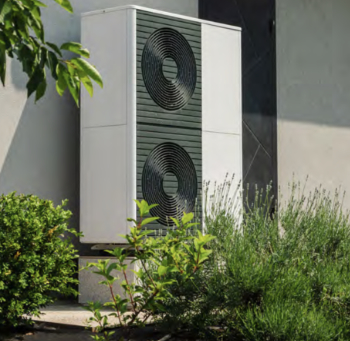
Technical Engineer runs through changes in regulations, innovations in materials, and product systems.
Awareness of the Carbon Border Adjustment Mechanism
What CBAM is and what to do about it.
The new towns and strategic environmental assessments
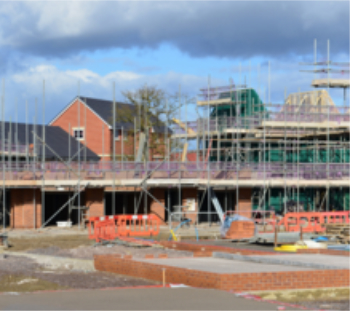
12 locations of the New Towns Taskforce reduced to 7 within the new towns draft programme and open consultation.
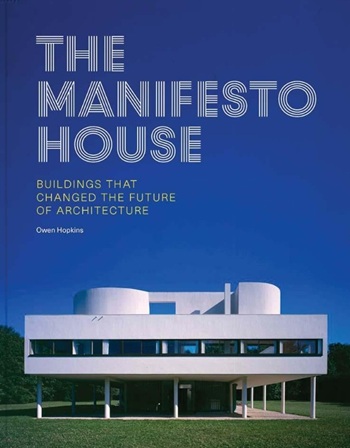
Buildings that changed the future of architecture. Book review.
The Sustainability Pathfinder© Handbook
Built environment agency launches free Pathfinder© tool to help businesses progress sustainability strategies.
Government outcome to the late payment consultation, ECA reacts.
IHBC 2025 Gus Astley Student Award winners
Work on the role of hewing in UK historic conservation a win for Jack Parker of Oxford Brookes University.
Future Homes Building Standards and plug-in solar
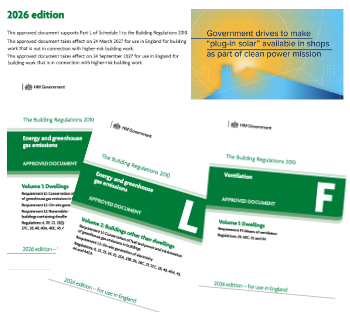
Parts F and L amendments, the availability of solar panels and industry responses.
How later living housing can help solve the housing crisis

Unlocking homes, unlocking lives.
Preparing safety case reports for HRBs under the BSA
A new practical guide to preparing structural inputs for safety cases and safety case reports published by IStructE.
Male construction workers and prostate cancer

CIOB and Prostate Cancer UK encourage awareness of prostate cancer risks, and what to do about it.