





Common furniture beetle
Inform Guide: Insect Attack to Timber, published on 22 January 2016 by Historic Scotland states: ‘Commonly known as woodworm, the common furniture beetle is the most likely insect to threaten timber in Scotland. The beetle can be identified by the round holes which they produce in timber and the egg shaped pellets of bore dust they leave. The damage is caused by the larvae that, after hatching, bore into wood in search of nutrition. This larval phase can last for up to 3 years, therefore, if left unchecked, considerable damage can be caused to structural timber. Where moisture content is below 12% it is hard for the larvae to survive. Conversely, where moisture content is high, and especially where rot has already occurred, timber is particularly vulnerable to attack. Sapwood (the outer section) of soft wood trees such as pine spruce and fir is especially prone to infestation. A serious outbreak of furniture beetle larvae can cause severe damage and when coupled with rot, could well require replacement of timbers.’
See also: Woodworm.
[edit] Related articles on Designing Buildings
Featured articles
Check out some of the best features and news from Designing Buildings as well as key stories from around the web.

Confronting competency, codes, capacity and costs.

The hidden risk in modern construction supply chains.
Construction Management, 10 June

24 months to 14: CITB launches accelerated apprenticeships.
Bridging the gap between clients and contractors

Concerns remain around contractor quality, capability, and delivery.
Construction Management, 10 June.
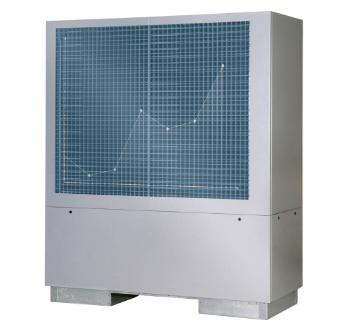
Heat pumps beat boilers in new home tests.
Building Safety Act implementation in Wales

CIAT to host industry panel on 26 June.

New and updated CLC building safety guidance.
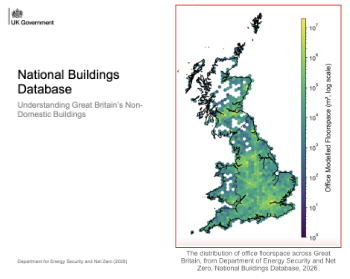
New UK National Buildings Database.
Building Safety Wiki Interviews

Chief executive of the British Woodworking Federation.
Planning condition discharge in England and Wales

A brief explanation from a building compliance expert, with further links.
Overheating guidance and tools for building designers

Guidance for dealing with element of building fabric control that have increasing importance.