




Bodger

Image credit : © Copyright Peter Trimming and licensed for reuse under this Creative Commons Licence.
A Bodger is a craftsman, although in modern English the term has come to relate to bad workmanship as in 'bodge', however this may have developed through confusion with 'botch' which is likely to have originated in the late 1400's from bocchen which meant to repair and later by the 1500's meaning to repair clumsily, or to spoil by unskillful work.
However the original bodgers were wood turners from the Chilton forests in Buckinghamshire. The bodgers set up temporary workshops in woodlands, often using bent trees and frames to carry out turnery on branches or logs of beech coppice wood.
A bent wood tree acted as a spring to turn wood on a spindle allowing the use of a blade to shape the length of roundwood into different forms. In particular the bodgers would produce specifically shaped rungs, stretchers and legs for the Windsor chair (also known earlier as the Forest chair) which was manufactured in large numbers in High Wycombe.
This rare film footage from the 1900's records some of the original bodgers working in the chilterns, click on image below.

[edit] Related articles on Designing Buildings
- Beech coppice.
- Best Woods for Wood Carving.
- Carpentry.
- Chip carving.
- Physical Properties of Wood.
- The Art of Pyrography.
- Timber.
- The history and techniques of woodturning.
- The Differences Between Hardwood and Softwood
- Timber species
- Types of rapidly renewable content.
[edit] External links
Featured articles
Check out some of the best features and news from Designing Buildings as well as key stories from around the web.
Gov.uk - Hot-rolled steel plate

New anti-dumping measure imposed on South Korea.
ECA responds to the Milburn Report

Youth employment to be linked to workforce demand.
The construction industry urgently needs to attract new talent
CIOB responds to Neets report.
Grenfell Tower community update

Memorial columns to be retained as careful dismantling continues.
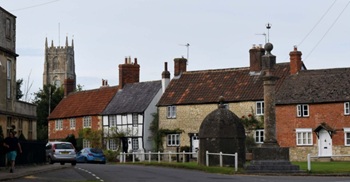
When buildings reflected the local resources available.

CIOB reports 57% are using artificial intelligence technologies.

More of England’s ‘hidden heroes’ will be celebrated.

CIAT calls for retrofit to be a priority.

Version 6 is now available, along with guidance for ECA members.

Post-War Homes: mid-century British architecture. Book review.

CIAT reflects on the party conferences.

CIOB announce the winners of the Art of Building photography competition.