





Biodiversity Action Plan BAP
Water for life and livelihoods, River basin management plans, Glossary, Published by the Environment Agency in 2016, defines Biodiversity Action Plans (BAP's) or Habitat Action Plans (HAP's) as: ‘National, local and sector-specific plans established under the United Kingdom Biodiversity Action Plan, with the intention of securing the conservation and sustainable use of biodiversity.’
Biodiversity Action Plans (BAPs) were implemented across the UK between 1995–1999, following the 1992 Earth Summit, along with Habitat Action Plans (HAPs) and Species Action Plans (SAPs) which stem from BAP's, they are all frameworks for nature conservation. These frameworks are strategic documents designed to protect, manage, and restore specific priority habitats identified as threatened or endangered, setting clear targets for habitat maintenance or enhancement, often covering 10-15 year periods.
BAP's are overarching strategies covering species, habitats, and policy, whilst SAPs focus on particular species, HAP's are specialised, technical plans focussing specifically on the restoration and management of a particular habitat type, whilst SAPs focus on particular species. For further information, detail and specifics see Biodiversity: The UK Steering Group Report (1995–1999) Volume 1 and Volume 2 via the Joint Nature Conservation Committee.
[edit] Related articles on Designing Buildings
Featured articles
Check out some of the best features and news from Designing Buildings as well as key stories from around the web.
New and updated CLC building safety guidance.
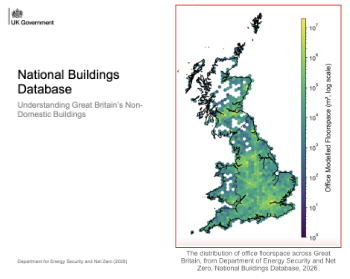
New UK National Buildings Database.
Building Safety Wiki Interviews

Chief executive of the British Woodworking Federation.
Planning condition discharge in England and Wales

A brief explanation from a building compliance expert, with further links.
Overheating guidance and tools for building designers

Guidance for dealing with element of building fabric control that have increasing importance.
Shading for housing, a design guide

From the Good Homes Alliance and British Blind and Shutter Association.
UK Standard Skills Classification (SSC)

A shared framework for describing skills needs.
Social media ban consultation comes to close

CIOB urges UK Government to consider social media’s role in careers guidance in ban debate.
The latest of eight Skills England apprenticeship units

The addition of battery manufacturing welcomed by ECA with a warning about the risks of fast-tracked apprenticeship units.
Building Control Independent Panel final report

A precis of a key report led by Dame Hackitt with full recommendations and link to the government response.
Building Safety recap April, 2026

A short and longer run-through of the month, with links to further information and sources.