





Architectural assistant
the term ‘architect’ is protected by the Architects Act 1997 which established the Architects Registration Board (ARB). Only qualified individuals that are registered with the ARB can offer their services as architects.
The most common route to becoming a qualified, registered architect is through university study, broken down into 3 parts:
- Part 1 – Honours Degree in architecture (England) or Ordinary Degree (Scotland), followed by 1 year out in practice under the guidance of an architect.
- Part 2 - Masters, Diploma or BArch (depending on the individual school) taught in university for 2 to 3 years, followed by a further year in practice.
- Part 3 - the final professional exam.
The role given to students when they work in practice to gain experience is generally described as an 'architectural assistant'. This may be further broken down into levels of architectural assistant, reflecting the stage of education they have reached and the amount of practical experience they have obtained:
- Part I architectural assistants are at an entry-level standard. They may be taking, or have completed an architectural (or related) university degree, but may have very little (or no) prior experience in the industry. As a result they will require a significant amount of supervision.
- Part II architectural assistants will be taking, or have completed their Masters, Diploma or BArch and will generally have one or more years of practical experience. As a result, they should be more capable and can be given some independence.
Architectural assistants act in a support role to the architectural project team freeing up qualified architects from simple tasks. Their responsibilities are varied and may range from involvement in meetings, to preparing drawings, schedules and reports, undertaking site visits, carrying out surveys and so on. An ability to use, or knowledge of computer aided design (CAD) and building information modelling (BIM) may be required.
[edit] Related articles on Designing Buildings Wiki
- Architect.
- Architectural design.
- Architectural technician.
- Architectural training.
- Architecture course essentials.
- Designers.
- Hiring an architect as a commercial client.
- Hiring an architect as a domestic client.
- History of the architect as a profession.
- How to become an architect.
- Project architect.
- The architectural profession.
- The role of architects.
- Year-out student.
Featured articles
Check out some of the best features and news from Designing Buildings as well as key stories from around the web.
Building Safety Act implementation in Wales

CIAT to host industry panel on 26 June.
New and updated CLC building safety guidance.
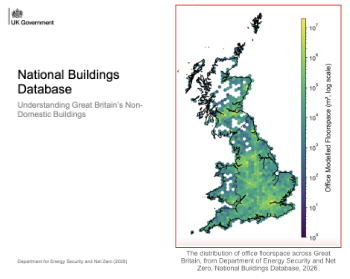
New UK National Buildings Database.
Building Safety Wiki Interviews

Chief executive of the British Woodworking Federation.
Planning condition discharge in England and Wales

A brief explanation from a building compliance expert, with further links.
Overheating guidance and tools for building designers

Guidance for dealing with element of building fabric control that have increasing importance.
Shading for housing, a design guide

From the Good Homes Alliance and British Blind and Shutter Association.
UK Standard Skills Classification (SSC)

A shared framework for describing skills needs.
Social media ban consultation comes to close

CIOB urges UK Government to consider social media’s role in careers guidance in ban debate.
The latest of eight Skills England apprenticeship units

The addition of battery manufacturing welcomed by ECA with a warning about the risks of fast-tracked apprenticeship units.
Building Control Independent Panel final report
A precis of a key report led by Dame Hackitt with full recommendations and link to the government response.