





Anti-fatigue mats
|
Anti-fatigue mats can be individual mats or a modular tile form. This anti-fatigue mat is made from PVC and has a high visibility ramped border as an additional safety measure. |

Contents |
[edit] Introduction
Resilient flooring is loosely defined as flooring manufactured from elastic materials. Products made out of these materials share certain characteristics - they are durable and firm, but they also offer a degree of 'bounce' or resilience. This also makes it suitable for dance floors, restaurants and other high-traffic areas where foot fatigue and slippage can occur.
In places where foot fatigue and slippage are a significant concern, there are certain types of resilient flooring mats designed to reduce fatigue and increase safety. These are known as anti-fatigue mats or fatigue reducing mats.
[edit] Anti-fatigue mats
An anti-fatigue mat is a specific type of resilient flooring that is used to ease discomfort that can occur in places where people must stand or walk over hard surfaces for long periods. They are meant to absorb the shock and create a cushioning effect to reduce foot fatigue. Fatigue-reducing mats can be made from several types of materials (including carpet or wood), but the majority are made from rubber, polyvinyl chloride (PVC), polyurethane or a combination of rubber and PVC.
Certain situations or professions (such as hairdressers, bartenders, assembly line workers, cashiers and so on) may require workers to stand in one place for long periods or walk over hard surfaces, resulting in overall body discomfort or exhaustion. This activity can also create sore feet, legs, knees or hips.
The type of flooring material and its quality (as well as worker footwear and type of activity) can have an impact on this discomfort. Due to their increased elasticity, anti-fatigue mats may help to prompt subtle movement - even just simple shifts in weight and standing positions - which can help to reduce the effects of prolonged standing. It is also thought that these slight muscle adjustments can help to ease the flow of blood back to the heart.
[edit] Anti-slip mats
When placed in slippery areas, anti-fatigue mats can serve as anti-slip mats to help reduce slips and falls. They also soften impact, should a fall occur. However, they must be properly installed in order to prevent tripping.
Anti-slip mats (sometimes referred to as anti-skid mats) offer increased safety through the incorporation of raised surfaces that grab the bottom of the shoe.The raised anti-slip surfaces are typically made from patterned rubber or plastic.
NB Not all anti-slip mats are anti-fatigue mats, nor are all anti-fatigue mats anti-slip mats.
[edit] Selection criteria
When choosing a mat, it is important to consider certain factors, including:
- Purpose. Will the mat be used for fatigue or safety? There are slight differences between anti-fatigue and anti-slip mats, and if safety is the priority, then it is essential to select a mat that includes anti-skid properties.
- Thickness. The suggested thickness for an anti-fatigue mat is approximately 10mm.
- Elasticity. Mats should be somewhat soft but should also provide some resistance to support the user.
- Design. The edges of single mats should be tapered or sloped to prevent tripping and support movement of wheeled carts or vehicles.
[edit] Maintenance
Anti-fatigue mats can last several years (although this period may be shorter in places where high foot traffic or extreme conditions occur). Rotating mats can help increase their lifespan. Proper installation and care can also improve their lifespan.
[edit] Installation
Mats can be installed using glue that is designed to work with the mat material that has been selected. They can be taped with industrial strength tape as an additional safety measure.
[edit] Cleaning
Mats should be cleaned regularly (particularly in areas - such as food handling - where contamination can cause health and safety issues). Mats can usually be cleaned with soap, degreaser and hot water.
[edit] Related articles on Designing Buildings Wiki
Featured articles
Check out some of the best features and news from Designing Buildings as well as key stories from around the web.
New and updated CLC building safety guidance.
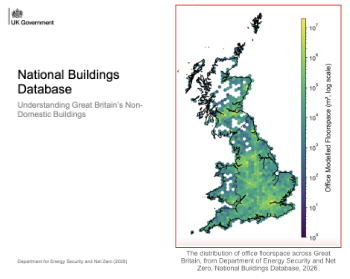
New UK National Buildings Database.
Building Safety Wiki Interviews

Chief executive of the British Woodworking Federation.
Planning condition discharge in England and Wales

A brief explanation from a building compliance expert, with further links.
Overheating guidance and tools for building designers

Guidance for dealing with element of building fabric control that have increasing importance.
Shading for housing, a design guide

From the Good Homes Alliance and British Blind and Shutter Association.
UK Standard Skills Classification (SSC)

A shared framework for describing skills needs.
Social media ban consultation comes to close

CIOB urges UK Government to consider social media’s role in careers guidance in ban debate.
The latest of eight Skills England apprenticeship units

The addition of battery manufacturing welcomed by ECA with a warning about the risks of fast-tracked apprenticeship units.
Building Control Independent Panel final report
A precis of a key report led by Dame Hackitt with full recommendations and link to the government response.
Building Safety recap April, 2026
A short and longer run-through of the month, with links to further information and sources.