





Visual amenity
The term ‘visual amenity’ refers to the views and surroundings that create the backdrop to an area.
A Residential Visual Amenity Assessment (RVAA) assesses the potential visual impact of a development on the residential amenity of property.
Guidance on the preparation of Landscape and Visual Impact Assessments is available in GLVIA 3, Guidelines for Landscape and Visual Impact Assessment, Third Edition, published by the Landscape Institute and Institute of Environmental Management and Assessment in 2013.
Additional guidance is available in Landscape Institute technical guidance note TGN 02/2019 at https://landscapewpstorage01.blob.core.windows.net/www-landscapeinstitute-org/2019/03/tgn-02-2019-rvaa.pdf
NB High Speed Rail (Crewe – Manchester) Environmental Statement, Glossary, abbreviations and references, published by the Department for Transport in 2022, defines visual amenity as: ‘The enjoyment or benefit that people derive from a particular view or area in terms of what is seen. When a landscape (or townscape) is changed in some way, the change will be seen by people - often by several different groups of people i.e. visual receptors - and this may affect their views and their visual amenity overall.’
[edit] Related articles on Designing Buildings
- Ecological impact assessment.
- Ecological survey.
- Environmental impact assessment.
- Green belt.
- Historic Landscape Characterisation.
- Historic Land-use Assessment.
- In-combination effects.
- Landscape and Visual Appraisal.
- Landscape and Visual Impact Assessment.
- Landscape architect.
- Landscape character.
- Landscape Institute.
- Landscape officer.
- Legibility.
- Natural area.
- Strategic ecology framework SEF.
Featured articles
Check out some of the best features and news from Designing Buildings as well as key stories from around the web.

Accommodating the Victorian and Edwardian working woman. Book review.
Rethinking passive fire protection in design

PFP demands the same level of design rigour as structure or services.

38% of Gen Zs feel safe when a fire door is wedged open.
Stunning images from around the world
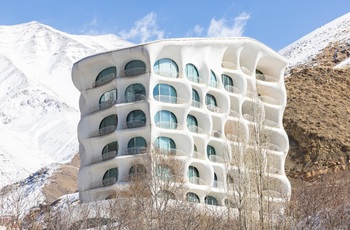
Shortlist for CIOB’s Art of Building photography competition.
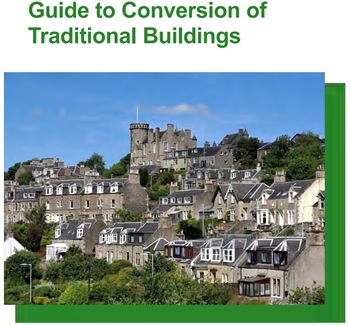
Guidance for conversion of traditional pre-1919 stone buildings.
Industrial heritage in the Ruhr
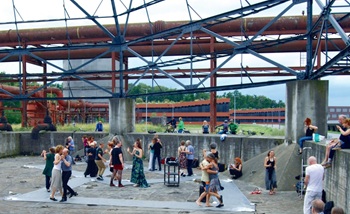
A marked difference to the fate of industrial landscapes in the UK.
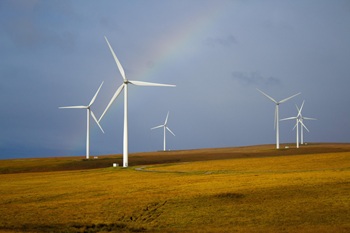
Communities will be able to build their own clean energy.
Why diversity and inclusion matters for SMEs

CIOB’s D&I Charter shows how practical changes can support long-term growth.
Cut electricity bills to power growth

Coalition sends joint letter to the Chancellor.

Gasholders: a history in pictures. Book review.
Recognition, influence and growth

SocEnv identifies three strategic pillars in new strategy to 2045.

Discover the future of roofing, cladding and insulation.
Comments
[edit] To make a comment about this article, click 'Add a comment' above. Separate your comments from any existing comments by inserting a horizontal line.