




On Construction Domestic Energy Assessor (OCDEA)
An On Construction Domestic Energy Assessor (OCDEA) is a UK government recognised qualification required to complete energy calculations using Standard Assessment Procedure (SAP) software, to carry out Predicted Energy Assessments (PEA) and to produce Energy Performance Certificates (EPC).
An OCDEA performs energy calculations for new build properties to ensure they comply with the building regulations, both at the design stage and after completion. This normally involves analysis of plans, sections and elevations, as well as construction details and specifications, and calculations using standardised software, issuing a compliance report and an EPC to the building control authority in order for the project to be signed off.
[edit] Related articles on Designing Buildings
- Building Performance Evaluation.
- Display Energy Certificate.
- Domestic Energy Assessor.
- Energy Performance Certificate.
- Energy Assessment.
- Energy Audit.
- Energy Savings Opportunity Scheme.
- Energy Performance of Buildings Directive.
- Energy Performance of Buildings Regulations.
- Post Occupancy Evaluation.
- Predicted Energy Assessment.
Featured articles
Check out some of the best features and news from Designing Buildings as well as key stories from around the web.
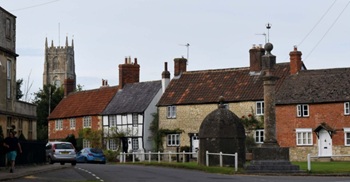
When buildings reflected the local resources available.

CIOB reports 57% are using artificial intelligence technologies.

More of England’s ‘hidden heroes’ will be celebrated.

CIAT calls for retrofit to be a priority.

Version 6 is now available, along with guidance for ECA members.

Post-War Homes: mid-century British architecture. Book review.

CIAT reflects on the party conferences.

CIOB announce the winners of the Art of Building photography competition.

National Scheme of Delegation introduced.
The cost of employing people remains a concern.
Code of Practice for Electrical Energy Storage Systems.

ECA calls on members to comment on draft 4th edition.

Bringing together expertise and creating cultural benefits.
Comments
[edit] To make a comment about this article, or to suggest changes, click 'Add a comment' above. Separate your comments from any existing comments by inserting a horizontal line.