





Time of the essence in construction contracts
The term ‘Time is of the essence’ refers to a contractual position in which, if one of the parties to the contract fails to complete their obligations by a specified date, then the other party can treat the contract as terminated. This might be appropriate for example in the supply of perishable goods where late delivery would go to the ‘root’ of the contract, depriving the innocent party of the whole benefit of the contract. They may then terminate the contract and claim damages.
Time can be of the essence if the contract says it is, or where it can be implied from the contract. Setting a completion date is not sufficient to make time of the essence. However, where one party has caused delay, the other party can give notice requiring completion by a certain date, thereby making time of the essence.
Typically on construction contracts, time is not of the essence, but rather a completion date is set (the date by which practical completion must be certified). There are generally mechanisms allowing the completion date to be adjusted, and liquidated damages can be claimed by the client if delays that are the fault of the contractor result in a failure to complete the works by the completion date. However, the contract is not terminated, and to do so would generally not be in the interests of either party.
If ‘time is at large’, ie there is no date for completion, or the date for completion has become invalid (with no mechanism for extension), then the contractor is no longer bound by the obligation to complete the works by a certain date. The client would then not be able to claim liquidated damages from the contractor and the contractor would only have to complete the works in a 'reasonable' time. The client would then only be entitled to damages if they could established that the contract was not completed within a reasonable time.
Whilst time is generally not of the essence in construction contracts, they do tend to include a requirement that the contractor proceeds ‘regularly and diligently’ irrespective of whether it is apparent that the completion date will be achieved.
[edit] Related articles on Designing Buildings Wiki
Featured articles and news
Costs and insolvencies mount for SMEs, despite growth

Construction sector under insolvency and wage bill pressure in part linked to National Insurance, says report.
The place for vitrified clay pipes in modern infrastructure
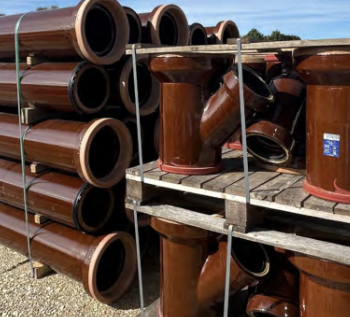
Why vitrified clay pipes are reclaiming their role in built projects.

Research by construction PR consultancy LMC published.
Roles and responsibilities of domestic clients

ACA Safety in Construction guide for domestic clients.
Fire door compliance in UK commercial buildings

Architect and manufacturer gives their low down.
Plumbing and heating for sustainability in new properties

Technical Engineer runs through changes in regulations, innovations in materials, and product systems.
Awareness of the Carbon Border Adjustment Mechanism
What CBAM is and what to do about it.
The new towns and strategic environmental assessments

12 locations of the New Towns Taskforce reduced to 7 within the new towns draft programme and open consultation.

Buildings that changed the future of architecture. Book review.
The Sustainability Pathfinder© Handbook
Built environment agency launches free Pathfinder© tool to help businesses progress sustainability strategies.

Government outcome to the late payment consultation, ECA reacts.
IHBC 2025 Gus Astley Student Award winners

Work on the role of hewing in UK historic conservation a win for Jack Parker of Oxford Brookes University.
Future Homes Building Standards and plug-in solar
Parts F and L amendments, the availability of solar panels and industry responses.
How later living housing can help solve the housing crisis

Unlocking homes, unlocking lives.
Preparing safety case reports for HRBs under the BSA
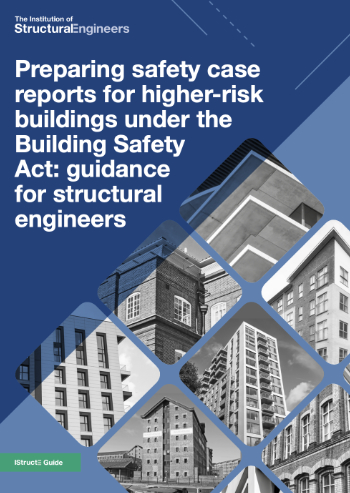
A new practical guide to preparing structural inputs for safety cases and safety case reports published by IStructE.
Male construction workers and prostate cancer

CIOB and Prostate Cancer UK encourage awareness of prostate cancer risks, and what to do about it.
Comments
To start a discussion about this article, click 'Add a comment' above and add your thoughts to this discussion page.