







The Power of Color Psychology in Kids' Room Design: Choosing the Right Palette
Designing a kid's room is not an easy task, and choosing the right colour palette is a crucial part of the process. Colours have a significant impact on mood and behaviour, and it is essential to create a space that promotes positivity, creativity, and relaxation. Colour psychology can help you choose the perfect palette for your child's room. Keep reading to learn more about the power of colour psychology in kids' room design and how to choose the right colours to create a space that supports your child's growth and development.
Blues and Greens: Calming and Relaxing
Blue and green hues are known for their calming and relaxing properties. These colours can help reduce anxiety, lower blood pressure, and induce a sense of calm in children. These shades work well in bedrooms and playrooms where children spend most of their time. Light blue and green shades can promote concentration, while darker shades can provide a cosy and nurturing environment. You can accessorise the space with natural elements such as plants or wooden furniture to complement blues and greens.
Yellow: Stimulating and Creative
Yellow is considered to be the colour of sunshine and happiness. It is a stimulating colour that can promote creativity, energy, and optimism in children. Yellow can be used in a playroom or study area where children engage in creative activities. Light shades of yellow can induce a sense of calm, while brighter shades can add a pop of colour and excitement to the space. Yellow accents such as curtains or pillows can complement the room if you do not want to use it as the dominant colour.
Reds and Oranges: Energising and Exciting
Red and orange are bold and energetic colours that can create a lively and stimulating environment for children. These shades can be used in a playroom or activity area where kids engage in physical activities or games. These colours can increase heart rate, stimulate appetite, and evoke excitement. Use these colours selectively as they can be overwhelming and lead to restlessness or irritability if used too much.
Purples: Calming and Mysterious
Purple is a unique and versatile colour that can create a sense of mystery and tranquillity. Light hues can provide a soft and calming environment, while deep shades can promote luxury and elegance. Purple works well in a bedroom where children can wind down and relax. Additionally, pastel shades can provide a serene and dreamy feel to the space, making it perfect for nap time or quiet play.
Neutrals: Versatile and Classic
Neutral colours such as white, beige, grey, or brown are timeless and versatile. These colours create a calm and clean look, making the room feel organised and spacious. Neutral shades work well with any decor and accessories. These tones provide balance and complement bright or bold colours. In case you want to change the child's room's theme, neutrals are a perfect base colour to work with.
Conclusion
Choosing the right colour palette for your child's room can have a significant impact on their mood, behaviour, and overall well-being. .
Understanding colour psychology can help you create a space that promotes positivity, creativity, and restfulness. Keep in mind that colour perceptions can change from one age group to another. What works with a toddler may not work with an older child, so it is important to consider the child's age, personality, and preferences. Ultimately, designing a child's room should be a fun and exciting process that involves both the child and parent in creating a space that reflects their personality and style.
Featured articles and news
Costs and insolvencies mount for SMEs, despite growth

Construction sector under insolvency and wage bill pressure in part linked to National Insurance, says report.
The place for vitrified clay pipes in modern infrastructure
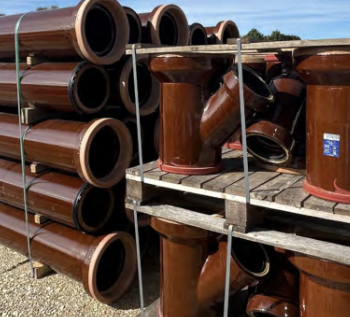
Why vitrified clay pipes are reclaiming their role in built projects.
Research by construction PR consultancy LMC published.
Roles and responsibilities of domestic clients

ACA Safety in Construction guide for domestic clients.
Fire door compliance in UK commercial buildings

Architect and manufacturer gives their low down.
Plumbing and heating for sustainability in new properties
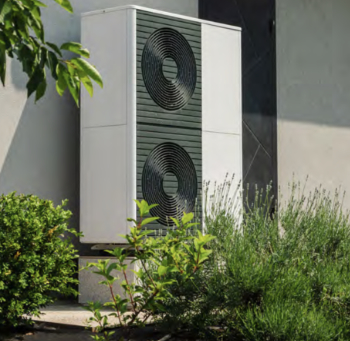
Technical Engineer runs through changes in regulations, innovations in materials, and product systems.
Awareness of the Carbon Border Adjustment Mechanism
What CBAM is and what to do about it.
The new towns and strategic environmental assessments

12 locations of the New Towns Taskforce reduced to 7 within the new towns draft programme and open consultation.
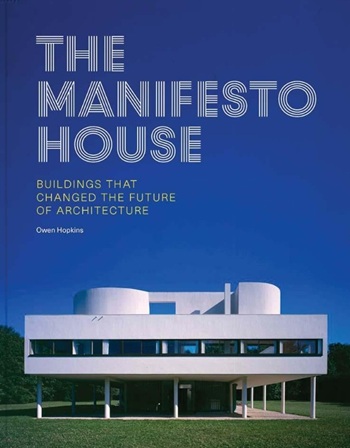
Buildings that changed the future of architecture. Book review.
The Sustainability Pathfinder© Handbook
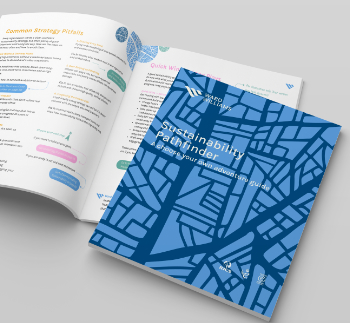
Built environment agency launches free Pathfinder© tool to help businesses progress sustainability strategies.

Government outcome to the late payment consultation, ECA reacts.
IHBC 2025 Gus Astley Student Award winners

Work on the role of hewing in UK historic conservation a win for Jack Parker of Oxford Brookes University.
Future Homes Building Standards and plug-in solar
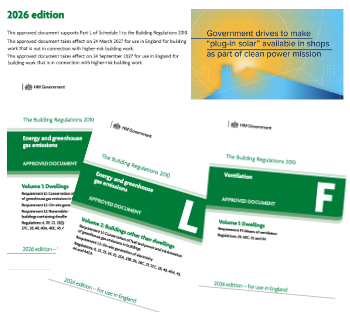
Parts F and L amendments, the availability of solar panels and industry responses.
How later living housing can help solve the housing crisis
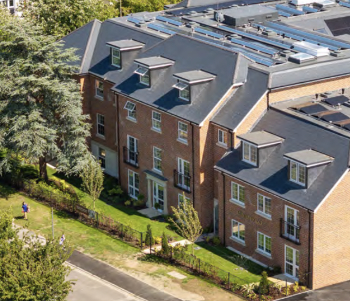
Unlocking homes, unlocking lives.
Preparing safety case reports for HRBs under the BSA
A new practical guide to preparing structural inputs for safety cases and safety case reports published by IStructE.
Male construction workers and prostate cancer
CIOB and Prostate Cancer UK encourage awareness of prostate cancer risks, and what to do about it.