





Search engine optimisation
Search engine optimisation (SEO) is the process of improving the visibility of a website or web page in a search engine's 'natural' or 'organic' (rather than paid for) search results. The higher and more frequently a site appears in search results, the more visitors it is likely to receive.
This is increasingly important as search engines become the default method for finding information.
The construction industry is dominated by people searching for a wide range of knowledge and a great number of products with which to create buildings. There are approximately 250,000 companies operating in the construction industry in the UK. Appearing first when potential clients are searching for particular products or services is critical to business success.
SEO considers how search engines work, what people search for, the actual search terms or keywords typed into search engines and what sort of search engines are preferred by a particular targeted audience.
Optimising a website so that it appears higher and more frequently in search results may involve:
- Writing content that is useful to the target audience.
- Writing content that includes frequently searched for keyword phrases.
- Providing people writing for the website with clear instructions about which keywords must be included and giving an indication of the number of times each keyword should be included.
- Using synonyms to the key topic words to allow a broader range of search topics to direct people to the site.
- Captioning images so that search engines can index them appropriately.
- Giving videos titles using appropriate keywords.
- Writing appropriate meta descriptions - the short text that appears when your website come up in search results.
- Ensuring that individual pages stick to one subject and that page tags are on the same topic.
- Regularly editing content to so that search engines keep re-indexing it.
- Increasing the number of ‘backlinks’ (inbound links).
- Creating internal links and site maps that make it easier for search engines to direct people to the most important pages on the site.
- Linking to other relevant sites. This not only affects the ranking of a site, but may encourage other site owners to link back to it in return.
- Allowing visitors to favourite and share the website and web pages using social media.
- Ensuring pages include data, statistics and graphs as people like to share this sort of content.
- Avoiding placing content behind registration forms or pay walls. Search engines prefer content that can be accessed freely, and they cannot always index information behind forms and walls. If access restrictions are necessary, make sure some portions of the site remain visible, such as page titles for example.
Targeted SEO can focus on specific kinds of search, such as; image searches, local searches, video searches, academic searches, industry-specific searches and so on. SEO for international markets may require translation, registration of local domain names and web hosting that provides a local IP address.
The most popular search engines (Google, Bing, and Yahoo) do not disclose the algorithms they use to rank pages and these algorithms are changed continually. For example, in 2011 Google implemented a new system to penalise sites whose content is not unique. In 2012, a further update was released, down-grading websites that provided poor user experience.
Companies that employ overly aggressive techniques (‘black hat’ techniques such as; including hidden pages or hidden text or creating pages with excessive or irrelevant keywords) can be 'banned' from the search results. For example in 2006 Google temporarily removed BMW Germany from its search results.
Once a website has been optimised so that the highest possible number of people are directed to it, it is important that those people find high quality, engaging web pages that encourage them to stay on the site and browse more than one page.
[edit] Related articles on Designing Buildings
Featured articles
Check out some of the best features and news from Designing Buildings as well as key stories from around the web.
Recognition, influence and growth

SocEnv identifies three strategic pillars in new strategy to 2045.

Discover the future of roofing, cladding and insulation.
New guidance for professional practice, cultural change and regulation in social housing.
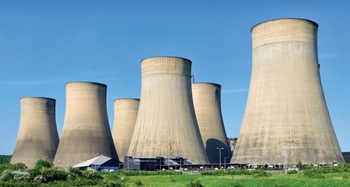
The heritage of nuclear and conventional power stations.
New measures to stop people being ripped off

Government to protect families from cowboy builders and aggressive bailiffs.

New Futurebuild showcase brings an innovation-first approach.
National Planning Policy Framework
Understanding the 2026 changes.
ECA's public affairs priorities

Member consultation opens to shape priorities for 2027 to 2030.

Dutyholder responsibilities from 1 July 2026.
Where performance meets practice

The Building Envelope Stage at UKCW Birmingham.
CIAT publishes briefing on planning reforms.
Leaders in Learning for Practice Network
Call for conservation leaders in learning to register interest in new network.
Comments