





Oxo-degradable
Oxo-degradable is a term used to describe plastic polymers that, via an oxidative process, are more easily degradable into smaller pieces, although those pieces may not necessarily degrade further at the same rate, in effect becoming microplastics, which have a series of associated issues. Oxo-biodegradable infers the potential for further biodegradation but the definition is not clear or standardised.
The European Committee for Standardization (CEN, for Comité Européen de Normalisation) has established the following definitions, in TR 15351:[7]
- Oxo-degradation is degradation resulting from "oxidative cleavage of macromolecules";
- Oxo-biodegradation is "degradation resulting from oxidative and cell-mediated phenomena, either simultaneously or successively".
These plastics, such as polyethylene (PE), polypropylene (PP), or polystyrene (PS) contain an additive prodegradant catalyst, salt of manganese or iron, that can help in breaking the material down into smaller pieces.
Oxo-degradables are a category unto themselves, they maybe confused with, but are not biodegradable plastics. As they are neither a bioplastic nor a biodegradable plastic, but more accurately plastic mixed with an additive in order to imitate biodegredation. They break down into microplastics, but not to the molecular or polymer level in the same way as biodegradable and compostable plastics. The resulting microplastics left in the environment have increasingly been found to be problematic.
[edit] Related articles on Designing Buildings
- Biogenic.
- Biobased materials.
- Bio-plastics.
- Plastic coating market.
- Plastic in construction.
- Plastic and recycling.
- Types of biobased materials.
- Types of plastic in construction.
- The Plastic Packaging Tax (PPT) 2022.
- WRAP voluntary agreements lead industry crisis response.
- UK Plastics Pact.
- Waste and Resources Action Programme WRAP.
- Wood plastic composites market for construction.
Featured articles
Check out some of the best features and news from Designing Buildings as well as key stories from around the web.

Accommodating the Victorian and Edwardian working woman. Book review.
Rethinking passive fire protection in design

PFP demands the same level of design rigour as structure or services.

38% of Gen Zs feel safe when a fire door is wedged open.
Stunning images from around the world

Shortlist for CIOB’s Art of Building photography competition.

Guidance for conversion of traditional pre-1919 stone buildings.
Industrial heritage in the Ruhr

A marked difference to the fate of industrial landscapes in the UK.

Communities will be able to build their own clean energy.
Why diversity and inclusion matters for SMEs

CIOB’s D&I Charter shows how practical changes can support long-term growth.
Cut electricity bills to power growth

Coalition sends joint letter to the Chancellor.

Gasholders: a history in pictures. Book review.
Recognition, influence and growth

SocEnv identifies three strategic pillars in new strategy to 2045.
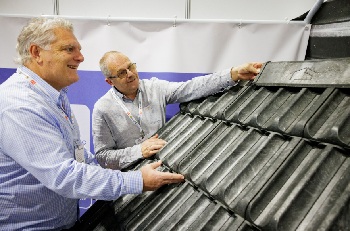
Discover the future of roofing, cladding and insulation.
Comments
[edit] o make a comment about this article, click 'Add a comment' above. Separate your comments from any existing comments by inserting a horizontal line.