





Gypsum

Gypsum is a soft sulfate mineral with the chemical formula CaSO4·2H2O, also known as calcium sulfate dihydrate. It is comprised of calcium, sulphur bound to oxygen, and water. Natural gypsum is an abundant mineral in sedimentary rocks that has been mined and used for construction and and as a fertilizer since the time of Ancient Egypt.
More recently the term synthetic gypsum is used to describe gypsum that is manufactured or that forms as a by product of other processes, such as flue gas desulphurisation (FGD) gypsum which forms in coal-fired power stations.
Pure gypsum is typically white, although impurities create a wide range of different colours. Gypsum is moderately water soluble but exhibits retrograde solubility, meaning it becomes less soluble at higher temperatures. It is fire resistant and is effective at preventing the passage of sound.
In terms of production, gypsum rock is mined or quarried and then crushed and ground into a fine powder. A process of calcining heats the powder, driving off most of the chemically-combined water. The two other forms of gypsum are called selenite and satin spar.
This base gypsum is used for a wide variety of applications:
- Plaster, plasterboard, wallboard, and so on.
- Blockwork.
- Mortar.
- Blackboard chalk.
[edit] Related articles on Designing Buildings
Featured articles
Check out some of the best features and news from Designing Buildings as well as key stories from around the web.
Cut electricity bills to power growth

Coalition sends joint letter to the Chancellor.

Gasholders: a history in pictures. Book review.
Recognition, influence and growth
SocEnv identifies three strategic pillars in new strategy to 2045.
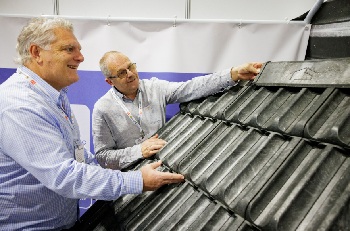
Discover the future of roofing, cladding and insulation.

New guidance for professional practice, cultural change and regulation in social housing.
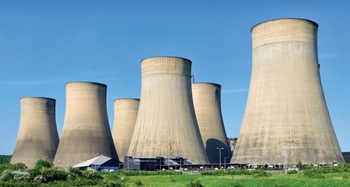
The heritage of nuclear and conventional power stations.
New measures to stop people being ripped off

Government to protect families from cowboy builders and aggressive bailiffs.

New Futurebuild showcase brings an innovation-first approach.
National Planning Policy Framework
Understanding the 2026 changes.
ECA's public affairs priorities

Member consultation opens to shape priorities for 2027 to 2030.

Dutyholder responsibilities from 1 July 2026.
Where performance meets practice

The Building Envelope Stage at UKCW Birmingham.
Comments
Please note the requirement for ensuring that gypsum products are correctly disposed of, it should not be mixed with biodegradable waste at a standard landfill site. It is possible to recycle the material.