




Solastalgia
The word 'solastalgia' is formed by the combination of the Latin slcium (comfort) and the Greek root -algia (pain, suffering, grief), and describes a form of emotional or existential distress caused by living within the process of environmental change. It differs from eco-anxiety which relates to future environmental events, as opposed to those being experienced in the present.
It was was first coined by philosopher Glenn Albrecht in his 2003 book Solastalgia: a new concept in human health and identity, his explanation of the term is given below:
"...has its origins in the concepts of “solace” and “desolation”. Solace has meanings connected to the alleviation of distress or to the provision of comfort or consolation in the face of distressing events. Desolation has meanings connected to abandonment and loneliness. The suffix -algia has connotations of pain or suffering. Hence, solastalgia is a form of “homesickness” like that experienced with traditionally defined nostalgia, except that the victim has not left their home or home environment.Solastalgia, simply put, is “the homesickness you have when you are still at home”.
[edit] Related articles on Designing Buildings
- Anthropocene.
- Biodiversity
- Biogenic carbon.
- Biologic carbon sequestration.
- Biomass.
- Carbon cycle.
- Holocene.
- Symbiocene.
- Types of rapidly renewable content
- Natural materials
[edit] External Links
Featured articles
Check out some of the best features and news from Designing Buildings as well as key stories from around the web.
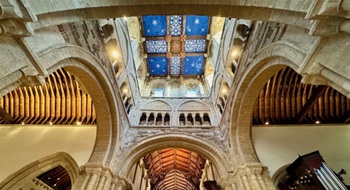
Dorset's first conservation campaigner?
Gov.uk - Hot-rolled steel plate

New anti-dumping measure imposed on South Korea.
ECA responds to the Milburn Report

Youth employment to be linked to workforce demand.
The construction industry urgently needs to attract new talent
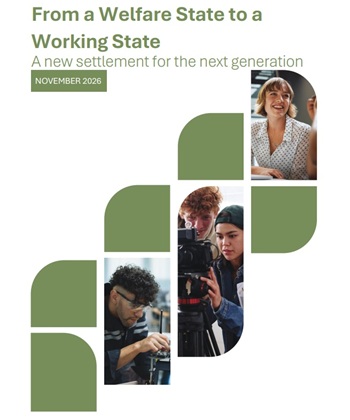
CIOB responds to Neets report.
Grenfell Tower community update

Memorial columns to be retained as careful dismantling continues.
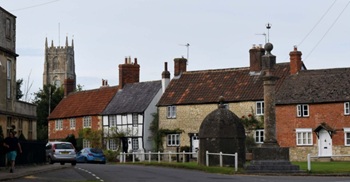
When buildings reflected the local resources available.

CIOB reports 57% are using artificial intelligence technologies.

More of England’s ‘hidden heroes’ will be celebrated.

CIAT calls for retrofit to be a priority.

Version 6 is now available, along with guidance for ECA members.

Post-War Homes: mid-century British architecture. Book review.

CIAT reflects on the party conferences.