





Service level agreement SLA
A service level agreement (SLA) sets out in detail what a service provider is required to provide as part of the agreement and the standard that the services they provide must achieve.
Service level agreements can be prepared within an organisation, describing the services required from an in-house team or department, or they may be used for the outsourcing of services, such as facilities management services.
This might include; property management, inspection and repair services, planned and responsive maintenance, cleaning, portering, security, ICT services, and so on.
The SLA might set out:
- The overall objectives and priorities for the services to be provided.
- A detailed description of the individual services required, setting out included and excluded services.
- The performance standards required for each service (such as availability and responsiveness).
- Key performance indicators.
- Penalties for failing to achieve the required services levels.
- Incentives for high levels of performance.
- Safety rules.
- Emergency procedures.
- Legislative requirements.
- Complaints procedures.
- Insurance requirements.
- Agreement period.
- Termination rights.
- Charging arrangements.
- Price review mechanisms.
- Details of key personnel, contract administration, monitoring, reporting, meeting requirements and so on.
- Change control procedures.
This is a legal agreement, and it is very important that the client considers what it should contain and is happy with the terms agreed. Standard agreements provided by the service provider might not adequately represent the client’s requirements.
Preparing an SLA can be a complex process, describing requirements that may previously have been provided by a number of different parts of an organisation, structured and managed in a variety of ways. Care must be taken not to specify a higher level of service than is actually required or has been provided in the past. This can involve complex consultation with a wide range of stakeholders and detailed assessment of the standards actually required.
Service level agreements tend to specify the outputs required from the service, rather than defining how the service should be provided. They may be divided into two components:
- The service level agreement, setting out the services required.
- The service level specification, setting out the minimum acceptable standards required.
[edit] Related articles on Designing Buildings Wiki
Featured articles and news

We're expanding our collaborative mission by launching DB Intelligence, an exclusive market research advisory panel. Built environment professionals can now get paid to share their expertise on industry trends, products and services.
Panel members receive direct financial incentives for participating in research projects like short surveys, 1-2-1 interviews and focus groups. Register today to shape the future of the construction sector.
Building Control Independent Panel final report
A precis of a key report led by Dame Hackitt with full recommendations and link to the government response.
Guide to ISO 19650 for Architecture Firms (2026)
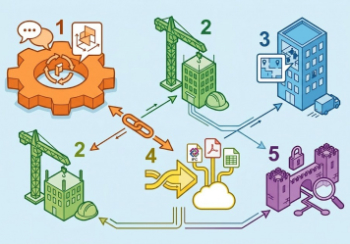
A user gives their low down.

A UK training and membership provider for mould remediation professionals.
Building Safety recap April, 2026
A short and longer run-through of the month, with links to further information and sources.

CIAT May 2026 briefing.
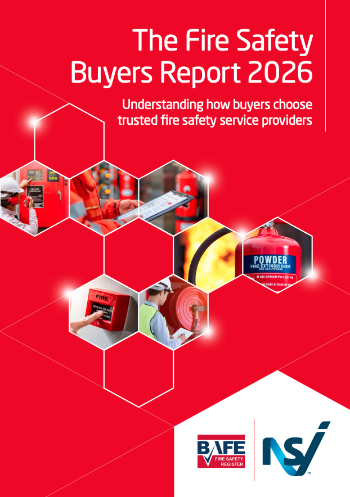
Independent NSI and BAFE study exploring how organisations are changing the way they buy fire safety services.

From medieval scribes to modern word art.
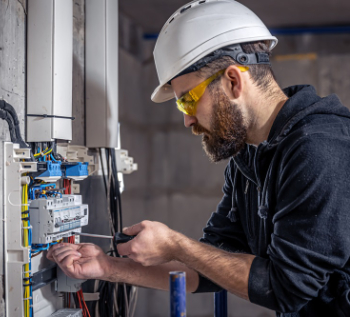
ECA welcomes crackdown on late payment and push for clean energy, whilst CIOB seek fixed cladding removal timeframes.
Cyber Security in the Built Environment
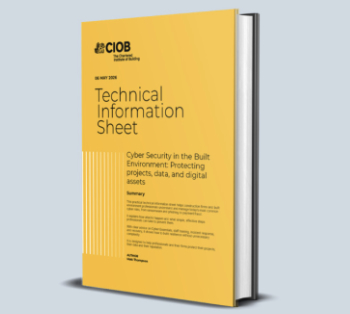
Protecting projects, data, and digital assets: A CIOB Academy TIS.
Managing competence in the built environment
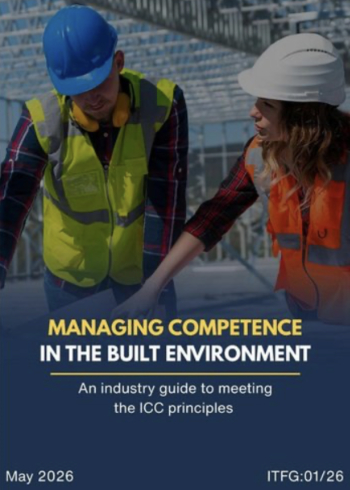
ITFG publishes new industry guide on how to meet the ICC principles.
The UK's campaign to reduce noise pollution: Mythbusting, articles and topic guides.