





Roads revolution
Prime minister David Cameron announced plans for £15bn of transport investment at the Confederation of British Industry (CBI) annual conference in London on 10 November 2014.
This investment means that over this Parliament and the next, the government will have spent over £24bn on major roads. In what the prime minister described as the biggest road-building programme since the 1970s, the ‘roads revolution’ includes plans to invest in more than 100 projects on the strategic road network by the end of the decade. This is likely to include improvements to:
- The A303.
- The A1 north of Newcastle.
- The A1 Newcastle-Gateshead western bypass.
- Trans-Pennine roads in the north of England.
- The A47.
- The A27.
David Cameron said, “We are now not only spending as much on rail as any Government since Victorian times, but on roads we are spending more than any Government since the big expansion of the 1970s… Hundreds of extra lane miles on our motorways and trunk roads. The green light given to major projects that have been stalled for years. Action to improve some of the most important arteries in our country – like the A303 and the A1 – which for too long have held parts of our country back. And all underpinned by over £15bn worth of investment… This will be nothing less than a roads revolution – one which will lead to quicker journey times, more jobs, and businesses boosted right across the country.”
Responding to the speech, John Cridland, CBI Director-General, said, “There was recognition that it is necessary to grow at the same time as cutting back, and it was good to hear the emphasis on both infrastructure investment and skills.”
However, the announcement has been criticised by some, suggesting that this will damage our national parks and historic sites such as Stonehenge whilst making people even more dependent on their cars.
Ref Prime Ministers’ Office, CBI Annual Conference 2014: Prime Minister’s address, 10 November 2014.
Further details announced on 1 December 2014, see Road investment strategy.
[edit] Related articles on Designing Buildings Wiki
Featured articles and news
Costs and insolvencies mount for SMEs, despite growth

Construction sector under insolvency and wage bill pressure in part linked to National Insurance, says report.
The place for vitrified clay pipes in modern infrastructure
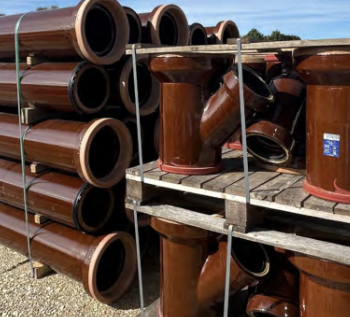
Why vitrified clay pipes are reclaiming their role in built projects.

Research by construction PR consultancy LMC published.
Roles and responsibilities of domestic clients

ACA Safety in Construction guide for domestic clients.
Fire door compliance in UK commercial buildings

Architect and manufacturer gives their low down.
Plumbing and heating for sustainability in new properties

Technical Engineer runs through changes in regulations, innovations in materials, and product systems.
Awareness of the Carbon Border Adjustment Mechanism
What CBAM is and what to do about it.
The new towns and strategic environmental assessments
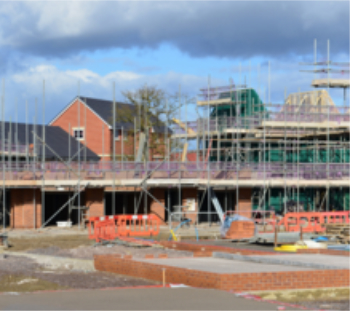
12 locations of the New Towns Taskforce reduced to 7 within the new towns draft programme and open consultation.
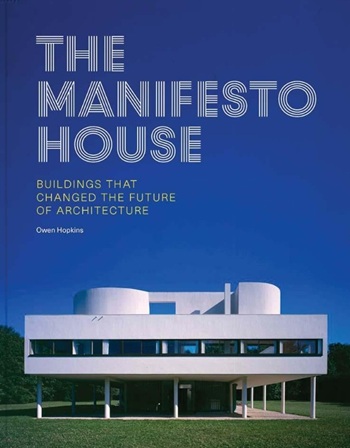
Buildings that changed the future of architecture. Book review.
The Sustainability Pathfinder© Handbook
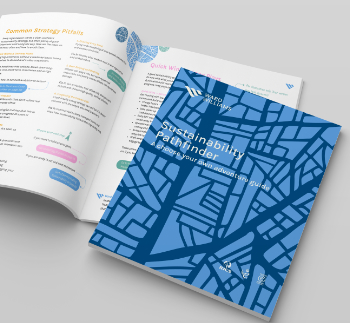
Built environment agency launches free Pathfinder© tool to help businesses progress sustainability strategies.
Government outcome to the late payment consultation, ECA reacts.
IHBC 2025 Gus Astley Student Award winners

Work on the role of hewing in UK historic conservation a win for Jack Parker of Oxford Brookes University.
Future Homes Building Standards and plug-in solar
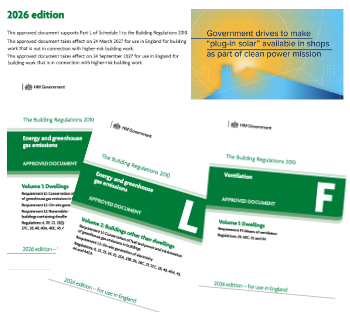
Parts F and L amendments, the availability of solar panels and industry responses.
How later living housing can help solve the housing crisis

Unlocking homes, unlocking lives.
Preparing safety case reports for HRBs under the BSA
A new practical guide to preparing structural inputs for safety cases and safety case reports published by IStructE.
Male construction workers and prostate cancer

CIOB and Prostate Cancer UK encourage awareness of prostate cancer risks, and what to do about it.