





RIBA Chartered Practice
The professional designation ‘Chartered Practice’ is legally protected by the Royal Institute of British Architects (RIBA). This means that only architectural practices that are accredited by the RIBA can use the label ‘RIBA Chartered Practice’, use the logo, and include or display the certificate in proposals, bids or offices.
To qualify as a Chartered Practice, a practice must provide evidence of its compliance with the following criteria:
- At least one of the full-time principals (Director or Partner) must be an RIBA chartered member.
- A chartered architect (i.e. on the ARB register) must supervise all architectural work.
- At least 1 in 10 staff must be an RIBA chartered member.
- At least 1 in 8 staff must be on the ARB register, an RIBA associate member, or a CIAT member.
- The practice must have an appropriate professional indemnity insurance policy.
- The practice must have an appropriate quality management system and health and safety policy.
- The practice must have a written employment policy and an appropriate CPD framework in place.
- The practice must have an annual external audit with a ‘renewal’ audit every three years.
All Chartered Practices have to apply each year to maintain that status, and will not be eligible if they no longer meet the above criteria, or if they make a false/incorrect statement on the application form.
[edit] Related articles on Designing Buildings Wiki
- Architect's Registration Board.
- Chartered builders and chartered construction managers receive official recognition in Northern Ireland public procurement.
- Chartered institute.
- Chartered surveyor.
- Construction professional.
- How to become an architect.
- Institute.
- Practice.
- Practice management.
- Professional.
- Professional body.
- Professional conduct.
- Professional practice.
- RIBA.
- RIBA professional conduct guidance.
- The architectural profession.
- Types of practice.
Featured articles
Check out some of the best features and news from Designing Buildings as well as key stories from around the web.
New and updated CLC building safety guidance.
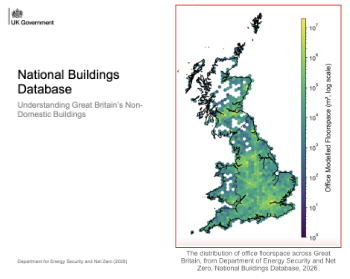
New UK National Buildings Database.
Building Safety Wiki Interviews

Chief executive of the British Woodworking Federation.
Planning condition discharge in England and Wales

A brief explanation from a building compliance expert, with further links.
Overheating guidance and tools for building designers

Guidance for dealing with element of building fabric control that have increasing importance.
Shading for housing, a design guide

From the Good Homes Alliance and British Blind and Shutter Association.
UK Standard Skills Classification (SSC)

A shared framework for describing skills needs.
Social media ban consultation comes to close

CIOB urges UK Government to consider social media’s role in careers guidance in ban debate.
The latest of eight Skills England apprenticeship units

The addition of battery manufacturing welcomed by ECA with a warning about the risks of fast-tracked apprenticeship units.
Building Control Independent Panel final report
A precis of a key report led by Dame Hackitt with full recommendations and link to the government response.
Building Safety recap April, 2026
A short and longer run-through of the month, with links to further information and sources.