





Professional consultant's certificate
New properties may be provided with a Professional Consultant's Certificate (PCC) by the professional consultants who designed and/or monitored the construction of the property. Lenders will generally only lend against a newly built or converted property if it is covered by a 10 year warranty or by a PCC.
A PCC provides evidence that a professional consultant has inspected the construction works to ensure they conform with the specification and with legal requirements such as the building regulations. This requires that the consultant has appropriate experience of such works. To qualify as a ‘professional consultant’, consultants must belong to one of the bodies listed in the UK Finance Mortgage Lenders' Handbook.
The consultant remains liable to current and future owners of the property under the certificate for 6 years from the date on the certificate and must maintain adequate professional indemnity insurance to cover this liability.
It is recommended that consultants make clear to owners the limitations of PCC’s and that they keep thorough records of what they did and did not inspect during the works, and the reasons for this. They should also verify they have the appropriate professional indemnity insurance, and maintain this for the period of liability.
PCC’s may be cheaper than warranties, but they will generally provide less cover – only giving the right to sue the consultant if they have negligently issued the certificate. In contrast, a warranty will generally last longer and does not require that blame is proved. An alternative might be the provision of a collateral warranty in favour of the owner or occupier.
[edit] Related articles on Designing Buildings Wiki
- Bonds v guarantees.
- Bonds.
- Breach of contract.
- Collateral warranty.
- Defects.
- Fit for purpose.
- Guarantees.
- Insurance.
- Latent defects.
- Patent defects.
- Reasonable skill and care.
- Warranty.
[edit] External references
Featured articles
Check out some of the best features and news from Designing Buildings as well as key stories from around the web.
Building Safety Act implementation in Wales

CIAT to host industry panel on 26 June.
New and updated CLC building safety guidance.
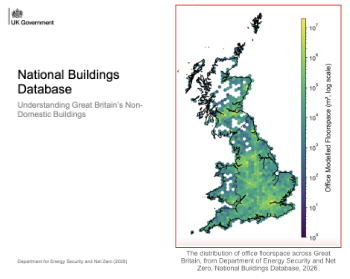
New UK National Buildings Database.
Building Safety Wiki Interviews

Chief executive of the British Woodworking Federation.
Planning condition discharge in England and Wales

A brief explanation from a building compliance expert, with further links.
Overheating guidance and tools for building designers

Guidance for dealing with element of building fabric control that have increasing importance.
Shading for housing, a design guide

From the Good Homes Alliance and British Blind and Shutter Association.
UK Standard Skills Classification (SSC)

A shared framework for describing skills needs.
Social media ban consultation comes to close

CIOB urges UK Government to consider social media’s role in careers guidance in ban debate.
The latest of eight Skills England apprenticeship units

The addition of battery manufacturing welcomed by ECA with a warning about the risks of fast-tracked apprenticeship units.
Building Control Independent Panel final report

A precis of a key report led by Dame Hackitt with full recommendations and link to the government response.