





Planning gateway one
On 1 August 2021, a new requirement, known as planning gateway one (PGO), came into force to ensure that relevant high-rise developments consider fire safety at the earliest stages. The government describes this as part of biggest changes to building safety regulation in 40 years.
Developments involving high-rise residential buildings must now demonstrate they have been designed with fire safety in mind before planning permission is granted. This information will be submitted as part of the planning application in a fire statement.
Local planning authorities must seek specialist advice on relevant applications from the Health and Safety Executive (HSE), as the statutory consultee on fire safety, before a decision is made on the application. In future, this role is likely to become part of the new Building Safety Regulator.
The changes follow a key recommendation made by Dame Judith Hackitt in her panel’s independent Review of Building Regulations and Fire Safety.
Housing Minister Rt Hon Christopher Pincher MP said: “This is a key step in our progress towards a new, risk-based building safety regime that will ensure fire safety is prioritised at every stage in the development of high-rise buildings. I am pleased to appoint the Health and Safety Executive as the statutory consultee, which will be on-hand to provide their expertise to local planning authorities on these important fire safety elements. We are driving up the standards of safety for people’s homes and our new regulator – to be introduced under the Building Safety Bill – will provide this essential oversight, from a building’s initial design, to providing homes in the future.”
Peter Baker, Chief Inspector of Buildings, at Health and Safety Executive said: “The introduction of planning gateway one is an important milestone in the journey to radically reform building safety so that residents are safe, and feel safe, in their homes. It will ensure that fire safety is considered from the very beginning of a building’s life and that developments benefit from integrated thinking on fire safety. The Health and Safety Executive is now a statutory consultee for planning applications involving relevant high-rise residential buildings and will apply risk-based fire safety knowledge and expertise to evaluate planning applications. This will enable local planning authorities to make sound and informed decisions.”
Guidance on planning gateway one is available at: https://www.gov.uk/guidance/fire-safety-and-high-rise-residential-buildings-from-1-august-2021
[edit] Related articles on Designing Buildings
Featured articles and news

Electrical contractors welcome crackdown on late payment and push for clean energy.
Cyber Security in the Built Environment
Protecting projects, data, and digital assets: A CIOB Academy TIS.
Managing competence in the built environment
ITFG publishes new industry guide on how to meet the ICC principles.
The UK's campaign to reduce noise pollution: Mythbusting, articles and topic guides.
Setting Expectations on Competence Management
Industry Competence Committee.
New Scottish and Welsh governments

CIOB stresses importance of construction after new parliament elections.
The sad story of Derby Hippodrome
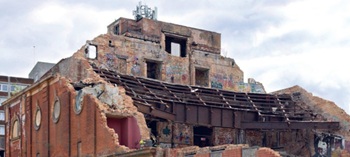
An historic building left to decay.

ECA, JIB and JTL back Fabian Society call to invest in skills for a stronger built environment workforce.

Women's Contributions to the Built Environment.
Calls for the delayed Circular Economy Strategy

Over 50 leading businesses, trade associations and professional bodies, including CIAT, and UKGBC sign open letter.
The future workforce: culture change and skill

Under the spotlight at UK Construction Week London.
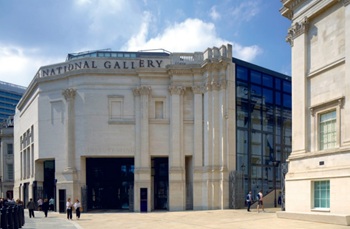
A landmark moment for postmodern heritage.
A safe energy transition – ECA launches a new Charter
Practical policy actions to speed up low carbon adoption while maintaining installation safety and competency.
Frank Duffy: Researcher and Practitioner
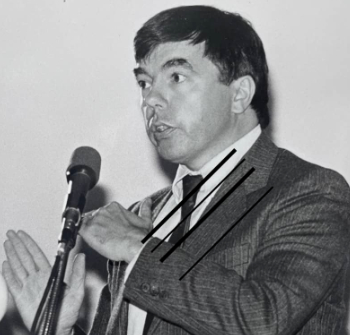
Reflections on achievements and relevance to the wider research and practice communities.
The 2026 Compliance Landscape: Fire doors

Why 'Business as Usual' is a Liability.
Cutting construction carbon footprint by caring for soil

Is construction neglecting one of the planet’s most powerful carbon stores and one of our greatest natural climate allies.