




Locality
The glossary of statistical terms, published by the Organisation for Economic Co-operation and Development (OECD), defines a locality as: ‘…a distinct population cluster (also designated as inhabited place, populated centre, settlement and so forth) in which the inhabitants live in neighbouring sets of living quarters and that has a name or a locally recognised status. It thus includes fishing hamlets, mining camps, ranches, farms, market towns, villages, towns, cities and many other population clusters that meet the criteria specified above.’
[edit] Related articles on Designing Buildings
Featured articles
Check out some of the best features and news from Designing Buildings as well as key stories from around the web.
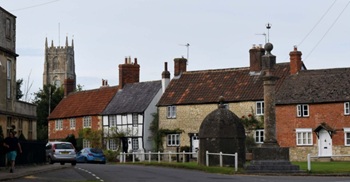
When buildings reflected the local resources available.

CIOB reports 57% are using artificial intelligence technologies.

More of England’s ‘hidden heroes’ will be celebrated.

CIAT calls for retrofit to be a priority.
Version 6 is now available, along with guidance for ECA members.
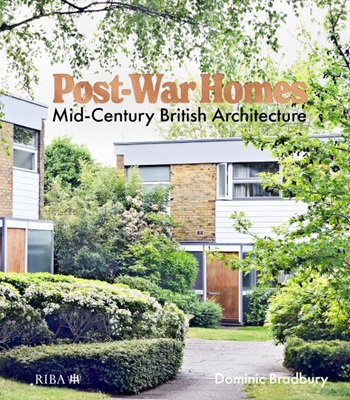
Post-War Homes: mid-century British architecture. Book review.

CIAT reflects on the party conferences.
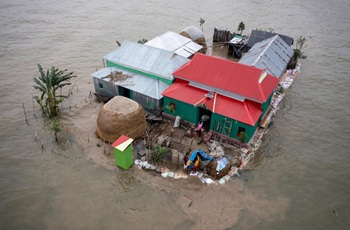
CIOB announce the winners of the Art of Building photography competition.

National Scheme of Delegation introduced.

The cost of employing people remains a concern.
Code of Practice for Electrical Energy Storage Systems.

ECA calls on members to comment on draft 4th edition.

Bringing together expertise and creating cultural benefits.