





Lighting control systems
Lighting control systems allow a range of lighting system inputs and outputs to be controlled from a central device. This enables the provision of the optimum level of lighting at the place and time it is needed.
Lighting control systems can be programmed to adjust lighting output based on factors, including:
- Time of day.
- Activities.
- Sunrise and sunset.
- Occupancy levels.
- Daylight levels.
- Combination of factors.
The main advantage of installing a lighting control system is that it enables the control of single or multiple lights from a single device, rather than having to be manually or locally controlled. This enables complex pre-sets to be designed depending on the conditions required, and helps to maximise the energy savings that can be made.
Types of lighting include:
- Local manual switching.
- Photoelectric control.
- Presence detection.
- Absence detection.
[edit] Related articles on Designing Buildings Wiki
- Commercial lighting.
- Daylight lighting systems.
- General lighting v task lighting.
- Health and wellbeing impacts of natural and artificial lighting.
- Lighting.
- Lighting and energy efficiency.
- Local manual switching.
- People-friendly lighting controls.
- Smart lighting market to 2020.
- Smart office lighting.
Featured articles
Check out some of the best features and news from Designing Buildings as well as key stories from around the web.

38% of Gen Zs feel safe when a fire door is wedged open.
Stunning images from around the world

Shortlist for CIOB’s Art of Building photography competition.

Guidance for conversion of traditional pre-1919 stone buildings.
Industrial heritage in the Ruhr

A marked difference to the fate of industrial landscapes in the UK.

Communities will be able to build their own clean energy.
Why diversity and inclusion matters for SMEs

CIOB’s D&I Charter shows how practical changes can support long-term growth.
Cut electricity bills to power growth

Coalition sends joint letter to the Chancellor.

Gasholders: a history in pictures. Book review.
Recognition, influence and growth

SocEnv identifies three strategic pillars in new strategy to 2045.

Discover the future of roofing, cladding and insulation.

New guidance for professional practice, cultural change and regulation in social housing.
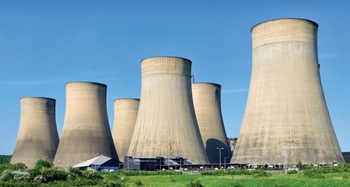
The heritage of nuclear and conventional power stations.