





Door closer

A door closer is a hydraulic device that is used to automatically close a door after it has been opened. Door closers are commonly used as a fire prevention measure, typically installed on fire doors, as well as helping to prevent draughts.
The most common types of door closer include:
Surface-mounted door closers are the most common type, as they are comparatively cost-effective and easy to install. They are fitted to the door frame behind the door, next to the hinge. The arm of the closer retracts to closed configuration as the door closes.
As well as the standard, double-lever arm, there are different kinds of arms available for surface-mounted door closers, depending on the application and to provide more functionality. These include:
- Hold open arm: By opening the door to a certain degree, a nut is tightened which causes the arm to stick at an open point.
- Dedicated parallel arm: In the closed position it lays parallel with the door instead of projecting outwards, although lacks the strength of the standard arm.
- Stop arm: Prevents the door from opening too far and hitting a wall or other obstacle.
Concealed door closers are hidden within the door jamb and are often used when aesthetics of the door is an important factor. This type fits in the morticed recesses in the door and the frame, allowing it to be completely concealed when the door is closed. This type is typically used for ‘double-acting’ doors, i.e. those that swing both ways; usually in high-traffic applications such as a busy office building door.
Floor closers are similar in that they are concealed within the floor and are not visible when the door is opened. Fitted into the underside of the door is a bar which controls the closing action, usually with an open setting that allows them to be left open. They are typically used with pivot hinges rather than butt hinges, which are stronger and more durable, and can often be found on glass front doors of commercial buildings.
[edit] Related articles on Designing Buildings Wiki
Featured articles
Check out some of the best features and news from Designing Buildings as well as key stories from around the web.

The hidden risk in modern construction supply chains.
Construction Management, 10 June

24 months to 14: CITB launches accelerated apprenticeships.
Bridging the gap between clients and contractors

Concerns remain around contractor quality, capability, and delivery.
Construction Management, 10 June.
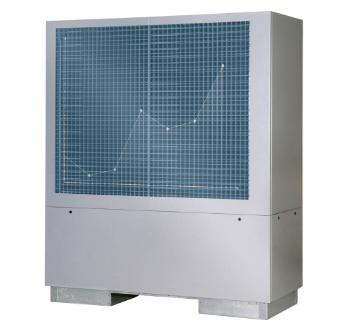
Heat pumps beat boilers in new home tests.
Building Safety Act implementation in Wales
CIAT to host industry panel on 26 June.
New and updated CLC building safety guidance.

New UK National Buildings Database.
Building Safety Wiki Interviews

Chief executive of the British Woodworking Federation.
Planning condition discharge in England and Wales

A brief explanation from a building compliance expert, with further links.
Overheating guidance and tools for building designers

Guidance for dealing with element of building fabric control that have increasing importance.
Shading for housing, a design guide

From the Good Homes Alliance and British Blind and Shutter Association.