





Business improvement district
A Business Improvement District is an area in which a levy is charged on business rate payers in addition to normal business rates to develop projects which will benefit businesses in the area. They are a form of business-led partnership intended to allow the business community and local authorities to work together to improve the local trading environment.
They can be set up by the local authority, a business rate payer or a person or company whose purpose is to develop the Business Improvement District area, or that has an interest in the land in the area.
The Business Improvement District proposer submits a proposal and business plan to the local authority, setting out:
- The services to be provided. These must be in addition to services provided by local authorities, such as extra safety, security, cleaning or environmental measures.
- The size and scope of the Business Improvement District.
- Who is liable for the levy.
- The amount of levy and how it is calculated (usually between 1% and 4% of rateable value).
- Details of any relief from the Business Improvement District levy that may apply and who is eligible.
Local authorities can veto the proposals if they are likely to conflict with an existing policy, place a financial burden on rate payers or the burden from the levy is unjust.
Businesses that will be subject to the levy then vote to determine whether the scheme goes ahead, with each business entitled to vote in respect of each property occupied or owned by them.
A Business Improvement District body manages the Business Improvement District, generally a private company or a partnership with the local authority. The local authority manages billing and the collection of the levy.
The maximum period that a Business Improvement District levy can be charged is for 5 years after which a new ballot must be held.
As part of the high streets announcement, the government made a commitment for a review of Business Improvement Districts to see what further powers could be made available to help them shape the future of town centres.
In March 2015, the Department for Communities and Local Government launched a consultation for strengthening the role of Business Improvement Districts including:
- Increasing transparency.
- Closer working between Business Improvement Districts and local authorities.
- Changes to charging arrangements.
- Streamlining neighbourhood planning for Business Improvement Districts.
The consultation closed on 19 June 2015.
Information about Business Improvement Districts in Scotland can be found here: https://www.gov.scot/policies/regeneration/business-improvement-districts-bids/
[edit] Related articles on Designing Buildings
- Business rates.
- Cities Devolution Bill.
- City deals.
- Enterprise zone.
- Going for growth, Reviewing the Effectiveness of Government Growth Initiatives.
- Growth and Infrastructure Bill.
- High street (planning and policy).
- Local Development Orders.
- Local Enterprise Partnerships.
- Portas review.
[edit] External references
Featured articles
Check out some of the best features and news from Designing Buildings as well as key stories from around the web.
Bridging the gap between clients and contractors

Concerns remain around contractor quality, capability, and delivery.
Construction Management, 10 June.
Heat pumps beat boilers in new home tests.
Building Safety Act implementation in Wales

CIAT to host industry panel on 26 June.
New and updated CLC building safety guidance.
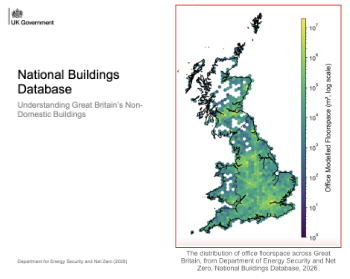
New UK National Buildings Database.
Building Safety Wiki Interviews

Chief executive of the British Woodworking Federation.
Planning condition discharge in England and Wales

A brief explanation from a building compliance expert, with further links.
Overheating guidance and tools for building designers

Guidance for dealing with element of building fabric control that have increasing importance.
Shading for housing, a design guide

From the Good Homes Alliance and British Blind and Shutter Association.
UK Standard Skills Classification (SSC)

A shared framework for describing skills needs.
Social media ban consultation comes to close

CIOB urges UK Government to consider social media’s role in careers guidance in ban debate.