





Block plan

A block plan usually shows the siting of buildings as blocks laid out on maps of the surrounding area. A range of standard mark ups can be used to depict boundaries, roads and other details.
Depending on the size of the project, typical scales of block plans are:
- 1 : 2500
- 1 : 1250
- 1 : 500
It is common for the term ‘block plan’ to be used interchangeably with ‘site plan’. They are both similar in that they illustrate the development site along with the position of the proposed building(s), as well as any access roads, vegetation, utilities, and so on. They typically indicate the development site and access in red outline, as well as any other land owned by the developer in blue outline.
However, a site plan generally shows in more detail the contents and extent of the site for an existing or proposed development, whereas a block plan shows less detail of the site and more of the surrounding area. In planning applications, block plans can help the local authority determine the possible impacts that the proposed project may have on the wider area.
If it is a large site or if a wider indication of the impact on the surrounding area is necessary, then a location plan may be prepared, identifying where the site is, but giving little detail for the development itself.
[edit] Related articles on Designing Buildings
Featured articles
Check out some of the best features and news from Designing Buildings as well as key stories from around the web.

38% of Gen Zs feel safe when a fire door is wedged open.
Stunning images from around the world

Shortlist for CIOB’s Art of Building photography competition.
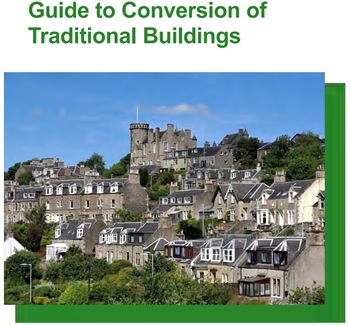
Guidance for conversion of traditional pre-1919 stone buildings.
Industrial heritage in the Ruhr

A marked difference to the fate of industrial landscapes in the UK.

Communities will be able to build their own clean energy.
Why diversity and inclusion matters for SMEs

CIOB’s D&I Charter shows how practical changes can support long-term growth.
Cut electricity bills to power growth

Coalition sends joint letter to the Chancellor.

Gasholders: a history in pictures. Book review.
Recognition, influence and growth

SocEnv identifies three strategic pillars in new strategy to 2045.

Discover the future of roofing, cladding and insulation.
New guidance for professional practice, cultural change and regulation in social housing.

The heritage of nuclear and conventional power stations.