






A case study of adopting BIT-Kit: A method uncovering the impact buildings have on people
Author: Dr Lesley J McIntyre
Abstract
In current architectural discourse there is a lack of method in building evidence to understand the link between buildings and the wellbeing, independence and mobility of the people who use them. In response to this knowledge gap, the Building Interactions Toolkit (BIT-Kit) supports the gathering of real-world interaction evidence within buildings. Applying a mixed-methods approach, BIT-Kit evidence is generated through the combination of purposeful conversation, observation and building interaction data.
This paper introduces the motivations behind BIT-Kit and evaluates evidence uncovered through a case study, which investigates the task of way-finding in a public building by persons with visual impairment. Findings illustrate novel evidence of human interaction with architectural elements (such as stairs, doors, car-parks and corridors) that enable and disable building users. These findings define evidence in assessing the impact of buildings on people.

This paper was entered into a competition launched by --BRE Group and UBM called to investigate the link between buildings and the wellbeing of those who occupy them.
Featured articles
Check out some of the best features and news from Designing Buildings as well as key stories from around the web.

Why being a mentor can help your career.

Channel 4 broadcaster to host 125th anniversary ceremony.
Listed structures on the rail network
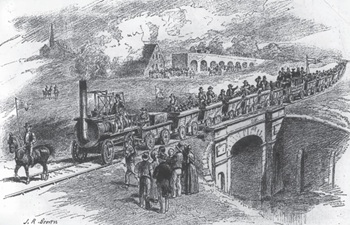
Heritage interests and operational requirements must be balanced.
Historic England publishes research into embodied carbon when retrofitting traditional buildings.

New Prime Minister delivers on ECA call for cut in electricity costs.

CIOB reacts to the announcement of Andy Burnham as Prime Minister.

Heritage and conservation science workforce survey - Have your say.

England's Suburbs 1820-2020. Book review.

New, more proportionate and targeted approach for higher-risk building assessments.

Government brings British Steel into public ownership.
UKCW Birmingham returns with bold new theme and focus.

New guidance published on competence requirements for self-certification schemes.