



Subliming ablators
Ablative materials in design and construction, are materials that are generally resistant to high temperatures in one of three ways and used for thermal protection. Subliming ablators perform through sublimation and eventual melting.
Subliming ablators, act as heat sinks until the surface of the material reaches sublimation or melting point (thus also referred to as - subliming / melting ablators), thus removing the heat from the protected object. In some cases a layer of gas is formed which helps remove heat from the object, in other cases an endothermic reaction occurs increasing the material temperature whilst decreasing the surrounding temperature, sacrificially.
In doing this ablative materials may pyrolyse mitigating a heat load, so in effect they decompose or change as a result of the heat being applied. For example ablative coating might contain hydrates, as they are heated, they decompose, and water vapour is released, this has a cooling effect, the insulation characteristics of the charred remains after the water is vaporised can slow the heat transfer. These types of materials are also often carbon related composites such as Teflon.
Two other types of related ablative materials are charring ablators and Intumescent ablators.
[edit] Related articles on Designing Buildings
Featured articles
Check out some of the best features and news from Designing Buildings as well as key stories from around the web.

ECA calls for an exemption for contractors working away from home.
Fire performance of thermal insulation
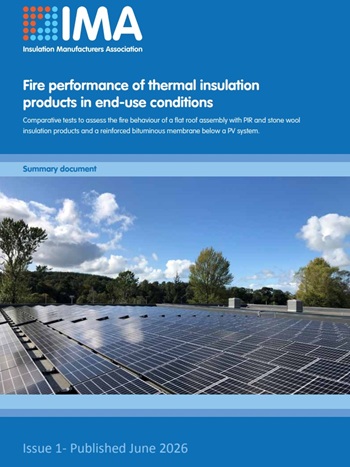
Flat roof assemblies with PV.
Become a Professional Development Partner

CIOB launches a new framework for staff development and chartered membership.
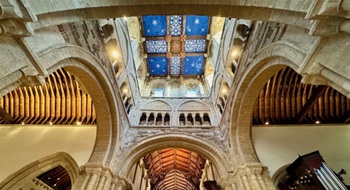
Dorset's first conservation campaigner?
Gov.uk - Hot-rolled steel plate

New anti-dumping measure imposed on South Korea.
ECA responds to the Milburn Report
Youth employment to be linked to workforce demand.
The construction industry urgently needs to attract new talent

CIOB responds to Neets report.
Grenfell Tower community update

Memorial columns to be retained as careful dismantling continues.
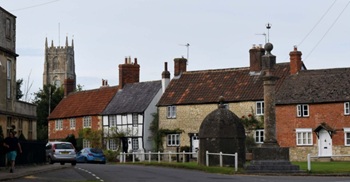
When buildings reflected the local resources available.

CIOB reports 57% are using artificial intelligence technologies.

More of England’s ‘hidden heroes’ will be celebrated.

CIAT calls for retrofit to be a priority.
Comments
[edit] o make a comment about this article, click 'Add a comment' above. Separate your comments from any existing comments by inserting a horizontal line.