




Site clearance

The process of site clearance is generally undertaken as part of enabling works, carried out to prepare a site for construction. It involves the clearing the site to allow other remedial, treatment or demolition works to take place before the actual construction works can begin.
It involves clearing a site of any machinery or equipment, unwanted surplus materials, rubbish, and so on. Site clearance may also involve clearing away vegetation and surface soil, and levelling and preparing the ground for the planned construction works. Care should be taken to ensure that there are the correct approvals in place, particularly for trees which may be protected.
A site waste management plan (SWMP) may be prepared before site clearance begins. This describes how materials will be managed efficiently and disposed of legally, explaining how the re-use and recycling of materials will be maximised. All types of waste present on the site must be removed safely and efficiently. If there is any contaminated waste or potentially hazardous substances (such as asbestos), professional disposal experts must be consulted to safely handle them.
For more information, see Site waste management plan.
Site clearance might be carried out as part of the main construction contract, or it may be carried out in advance of the main contract, and might be part of a wider contract including other enabling works or facilitating works, such as; demolition works, soil stabilisation works, services diversion, constructing access roads, and so on.
[edit] Related articles on Designing Buildings Wiki
Featured articles
Check out some of the best features and news from Designing Buildings as well as key stories from around the web.
ECA responds to the Milburn Report

Youth employment to be linked to workforce demand.
The construction industry urgently needs to attract new talent
CIOB responds to Neets report.
Grenfell Tower community update

Memorial columns to be retained as careful dismantling continues.
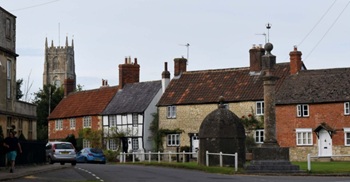
When buildings reflected the local resources available.

CIOB reports 57% are using artificial intelligence technologies.

More of England’s ‘hidden heroes’ will be celebrated.

CIAT calls for retrofit to be a priority.
Version 6 is now available, along with guidance for ECA members.
Post-War Homes: mid-century British architecture. Book review.

CIAT reflects on the party conferences.

CIOB announce the winners of the Art of Building photography competition.

National Scheme of Delegation introduced.
Comments