





Suction lifter

A suction lifter (or suction pad) is a form of suction cup used for commercial and industrial lifting operations. In the construction industry, they are often used to move large, smooth objects such as glass panes, fixtures such as kitchen countertops, floor tiles, and so on. They are commonly hand-operated, although they can also operate on a hoist.
Suction lifters follow the same principle as a suction cup, maintaining a vacuum between the surface to be lifted and a flexible material such as rubber. The vacuum is created by pushing a lever or handle on the suction cup.
Their load carrying capacity is dependent on the type, size and number of suction cups, and the lifting mechanism. Typical safe working loads for hand operated suction lifters range from 10kg to 60kg per lifter, with lifters formed from 1 to 4 suction cups. Hoist operated lifters can have from 1 to 50 or more suction cups and can lift well in excess of 1,000kg.
They work best against very flat, smooth surfaces, but can also be congfigured to lift other shapes, such as curves. Rougher textured surfaces make the maintaining of a vacuum more difficult
Lower atmospheric pressures also make it more difficult to stick to surfaces.
[edit] Find out more
[edit] Related articles on Designing Buildings Wiki
Featured articles
Check out some of the best features and news from Designing Buildings as well as key stories from around the web.
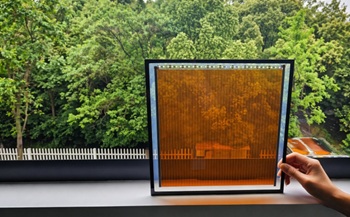
Generating energy from internal light as well as sunshine.

ECA welcomes plans to strengthen subcontractor quality control.

Combining mid-career qualifications with experience broadens career opportunities.

Why being a mentor can help your career.

Channel 4 broadcaster to host 125th anniversary ceremony.
Listed structures on the rail network
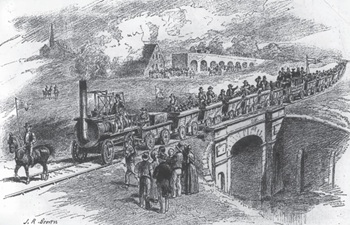
Heritage interests and operational requirements must be balanced.
Historic England publishes research into embodied carbon when retrofitting traditional buildings.

New Prime Minister delivers on ECA call for cut in electricity costs.

CIOB reacts to the announcement of Andy Burnham as Prime Minister.

Heritage and conservation science workforce survey - Have your say.
England's Suburbs 1820-2020. Book review.

New, more proportionate and targeted approach for higher-risk building assessments.