





What is the purpose of Snagging
Snagging is a quality control process that is typically carried out in construction projects. The purpose of snagging is to identify and rectify any defects or issues in a new building or structure before it is handed over to the client or occupants.
During snagging, a trained professional, often a snagging inspector or consultant, inspects the building or structure to identify any issues such as incomplete or substandard work, damage, or missing components. These issues are then documented in a snagging report, which is provided to the construction team for rectification.
By carrying out snagging, the quality of the building or structure can be improved, and any issues can be addressed before the client or occupants move in, avoiding potential safety hazards and saving costs associated with repairs that may be more difficult to carry out after the building is in use.
[edit] Related articles on Designing Buildings
- Backlog.
- Burn down chart.
- Commissioning.
- De minimis.
- Defects.
- Defects liability period.
- Defects list.
- Defective Premises - Liability and Measure of Damages.
- Defective Premises Act.
- Final certificate.
- Practical completion.
- Punch list.
- Schedule of defects.
- Site inspection.
- Snagging construction works
- Work-to-complete list.
Featured articles and news
Cyber Security in the Built Environment
Protecting projects, data, and digital assets: A CIOB Academy TIS.
The UK's campaign to reduce noise pollution: Mythbusting, articles and topic guides.
Setting Expectations on Competence Management
Industry Competence Committee.
New Scottish and Welsh governments

CIOB stresses importance of construction after new parliament elections.
The sad story of Derby Hippodrome
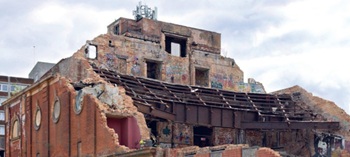
An historic building left to decay.

ECA, JIB and JTL back Fabian Society call to invest in skills for a stronger built environment workforce.

Women's Contributions to the Built Environment.
Calls for the delayed Circular Economy Strategy

Over 50 leading businesses, trade associations and professional bodies, including CIAT, and UKGBC sign open letter.
The future workforce: culture change and skill

Under the spotlight at UK Construction Week London.

A landmark moment for postmodern heritage.
A safe energy transition – ECA launches a new Charter

Practical policy actions to speed up low carbon adoption while maintaining installation safety and competency.
Frank Duffy: Researcher and Practitioner

Reflections on achievements and relevance to the wider research and practice communities.
The 2026 Compliance Landscape: Fire doors

Why 'Business as Usual' is a Liability.
Cutting construction carbon footprint by caring for soil

Is construction neglecting one of the planet’s most powerful carbon stores and one of our greatest natural climate allies.
ARCHITECTURE: How's it progressing?
Archiblogger posing questions of a historical and contextual nature.