





Visible light

Visible light (or the visible spectrum) is a form of electromagnetic radiation. The electromagnetic spectrum includes radio waves, microwaves, infrared radiation (IR), visible light, ultraviolet light (UV), X-rays and gamma-rays. Visible light falls within the range of wavelengths from approximately 380 - 740 nanometers (nm), between the infrared and ultraviolet wavebands.
Visible light represents the range of light that is visible to the human eye. Human eyes contain ‘receiver’ cells called 'cones' that can detect wavelengths within this relatively small part of the electromagnetic spectrum.
Visible light comprises a number of colours that are typically categorised as:
- Red (around 650 nm).
- Orange (around 589 nm).
- Yellow (around 570 nm).
- Green (around 510 nm).
- Blue (around 475 nm).
- Indigo (445 nm).
- Violet (around 400 nm).
Combinations of these colours can create other colours. For example, the combination of red light and blue light will create magenta light. The combination of all colours will create white light. The absence of any light from the visible spectrum is perceived as being black.
Typically, when we see a colour, it is as a result of that wavelength of light reflecting from or transmitting through a body towards our eyes, whilst other wavelengths of the visible spectrum are absorbed by the body or reflected away from our eyes.
[edit] Related articles on Designing Buildings
Featured articles
Check out some of the best features and news from Designing Buildings as well as key stories from around the web.
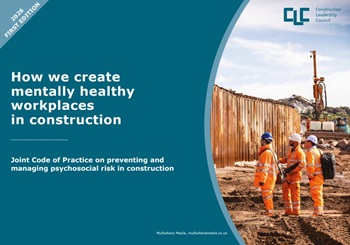
CLC publishes Mental Health Joint Code of Practice.
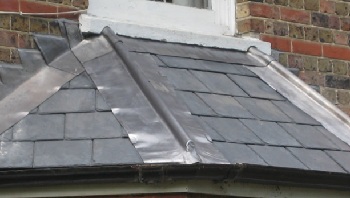
A quick introduction to its uses and risks.
Construction Management, 17 June

Government rolls out digital planning tool to all local authorities.

Your views needed - a strategy for the professions, trades and occupations.

Confronting competency, codes, capacity and costs.

The hidden risk in modern construction supply chains.
Construction Management, 10 June
24 months to 14: CITB launches accelerated apprenticeships.
Bridging the gap between clients and contractors

Concerns remain around contractor quality, capability, and delivery.
Construction Management, 10 June.
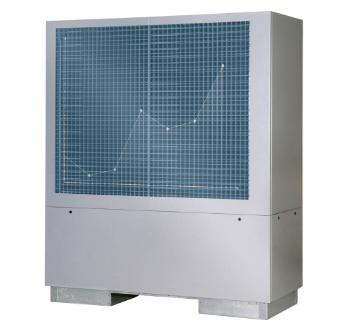
Heat pumps beat boilers in new home tests.
Building Safety Act implementation in Wales

CIAT to host industry panel on 26 June.
New and updated CLC building safety guidance.