






The end of section 21 evictions in the UK
The end of Section 21 notices has significant implications for landlords in the UK. Section 21 of the Housing Act 1988 provided a mechanism for landlords to evict tenants without providing a specific reason, commonly referred to as "no-fault" evictions. However, the UK government introduced changes to the law with the aim of improving tenant security and reducing instances of unfair evictions. Here's what the end of Section 21 means for landlords:
- Removal of No-Fault Evictions: With the end of Section 21, landlords can no longer evict tenants simply by giving them a notice without providing a specific reason. Landlords must now rely on valid grounds for eviction as outlined in Section 8 of the Housing Act 1988.
- Strengthened Tenant Protections: The removal of no-fault evictions enhances tenant security and reduces the risk of arbitrary and unfair evictions. It provides tenants with greater stability and the ability to challenge eviction notices if they believe they are unjust.
- Eviction Grounds under Section 8: Landlords seeking to evict tenants must now rely on one or more of the specified grounds listed in Section 8 of the Housing Act 1988. These grounds include rent arrears, breach of tenancy agreement, anti-social behavior, and other valid reasons for eviction. Landlords must provide evidence and follow the appropriate legal procedures to pursue eviction.
- Possession Proceedings: Landlords may need to initiate possession proceedings through the court system if they have valid grounds for eviction under Section 8. This process can be more time-consuming and complex compared to the previous Section 21 process. Landlords should familiarise themselves with the legal requirements and seek professional advice to navigate the eviction process effectively.
- Impact on Landlord-Tenant Relationships: The removal of no-fault evictions may lead to longer tenancies and potentially more stable landlord-tenant relationships. Landlords are encouraged to establish good communication, maintain properties to a high standard, and address tenant concerns promptly to foster positive relationships with their tenants. This includes addressing problems with disrepair in the property, which can lead to legal action by the tenant.
- Eviction Alternatives: Landlords are encouraged to explore alternative means of resolving disputes or addressing issues with tenants before resorting to eviction. Mediation, negotiation, and mutually agreed-upon solutions can help maintain positive landlord-tenant relationships and minimise the need for eviction.
It's important for landlords to stay updated on any changes to landlord and tenant legislation in the UK, as non-compliance can lead to legal consequences. Seeking legal advice and understanding the specific requirements and procedures in their region is crucial for landlords to navigate the evolving landscape and ensure compliance with the law.
[edit] Related articles on Designing Buildings
Featured articles
Check out some of the best features and news from Designing Buildings as well as key stories from around the web.
New and updated CLC building safety guidance.
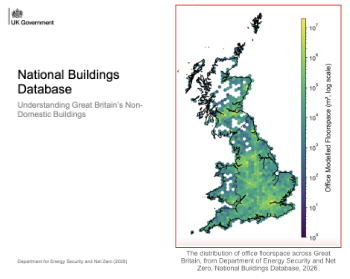
New UK National Buildings Database.
Building Safety Wiki Interviews

Chief executive of the British Woodworking Federation.
Planning condition discharge in England and Wales

A brief explanation from a building compliance expert, with further links.
Overheating guidance and tools for building designers

Guidance for dealing with element of building fabric control that have increasing importance.
Shading for housing, a design guide

From the Good Homes Alliance and British Blind and Shutter Association.
UK Standard Skills Classification (SSC)

A shared framework for describing skills needs.
Social media ban consultation comes to close

CIOB urges UK Government to consider social media’s role in careers guidance in ban debate.
The latest of eight Skills England apprenticeship units

The addition of battery manufacturing welcomed by ECA with a warning about the risks of fast-tracked apprenticeship units.
Building Control Independent Panel final report
A precis of a key report led by Dame Hackitt with full recommendations and link to the government response.
Building Safety recap April, 2026
A short and longer run-through of the month, with links to further information and sources.