





What are NZEBs and how do they contribute to Sustainable Development
Contents |
[edit] Introduction
The building sector is one of the main sources of greenhouse gas emissions in the EU. According to statistics, 40% of energy consumption in Europe comes from buildings. This has led the European Commission to create Directives on Energy Efficiency which reqiure the improvement of the energy efficiency of buildings, introducing the concept of NZEB or Near Zero Energy Building. This is reflected in The European Commission's long-term strategy for 2050, which acknowledges the necessity of an almost complete decarbonisation of the building sector.
[edit] What are Nearly Zero-Energy Buildings?
Before providing a more formal definition of what Near Zero Energy Buildings, more commonly known as NZEBs, are, it is important to clarify the confusion that often occurs when simply reading the term, namely ...
How could a building not consume energy?
A Nearly Zero-Energy Building isn’t literally an energy-free building. When we talk about nearly zero-energy buildings, we mean buildings that on the one hand consume nearly as much energy as they produce. This energy, in turn, comes from renewable sources, produced locally or in the surroundings.
This means that NZE Buildings will continue to consume energy, but this energy will have a low impact on the environment, so they won’t consume energy from non-renewable sources such as oil or petroleum, natural gas, coal or uranium.
The NZEBs definition by the official European Commission: "a building that has very high energy performance (...) The nearly zero or very low amount of energy required should be covered to a very significant extent by energy from renewable sources, including energy from renewable sources produced on-site or nearby."
Other terms commonly used instead of NZEB might be:
- Zero-Energy Building (ZE),
- Zero Net Energy (ZNE),
- Net-Zero Energy Build (also NZEB),
- Zero Carbon Building.
Most of these are used more or less interchangeably with Near-Zero Energy Buildings, but some may be slightly more difficult to define.
[edit] What Criteria have European Buildings been following since 2020 to be considered Nearly-Zero Energy Buildings?
Since 2020, every new building should be built with sustainability in mind. While existing buildings can considerably reduce their energy consumption when going through a major renovation, there are a number of aspects that need to be taken into account for buildings to become almost zero energy. First of all, it is not only about the energy sources, but about the energy needs of the building, which makes it much more important that they are built with sustainability and efficiency in mind.
[edit] 4 Reasons in which NZE Buildings contribute to Sustainable Development
Sustainability simply cannot be achieved if not integrated into the lives of people, families, employees, building occupants and members of society. Therefore, building on the basis of durability criteria will be necessary to achieve sustainability at the city and country levels.
In this sense, there are many ways in which NZEBs contribute to achieving sustainable development. Here are 4 of them:
[edit] Making buildings less energy-consuming by design
There are many ways to reduce the amount of energy consumed. Many of these come from our own habits and behaviours as energy consumers, while many others come from our actual needs as humans and as employees.
As such, making sure to work with architects and engineers to design building solutions that can make better use of natural resources, such as sunlight, wind, heat from the sun, and location, among others, will help us reduce our energy consumption without affecting our comfort and needs.
[edit] Encouraging the adoption of renewable sources of energy
New buildings must be NZEBs by law, which means that the greatest part of the energy required for a building to work properly must use energy generated from renewable sources, mostly generated on-site or nearby.
This really helps change or improve the perception of renewable sources of energy, making it look not only like a good alternative but as a viable way of generating energy.
[edit] 3. Using regulations as a way to ensure sustainable practices for building construction
>>> Read the full article here
[edit] Related articles on Designing Buildings
Featured articles
Check out some of the best features and news from Designing Buildings as well as key stories from around the web.

Why construction can't afford to ignore the skills gap.
Building Safety Regulator, 19 August

Gill Kernick appointed Independent Chair of Residents’ Panel.
Connecting knowledge, technology and conservation
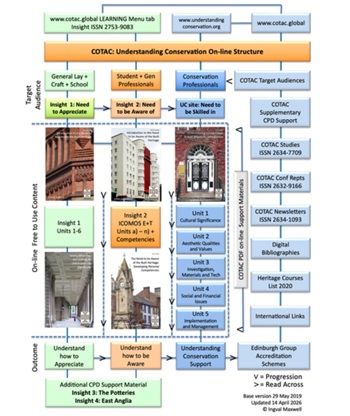
Building competence for the future of built heritage.
Building Regulations and Building Safety Act
CIOB publishes free advice for non-domestic clients.
Building Safety Newsletter from MHCLG.
An extraordinary record of steel engineering worldwide.
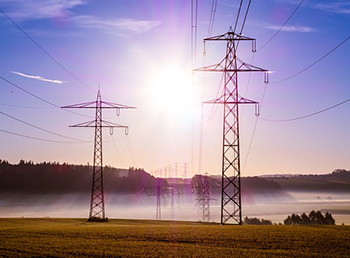
Households living near new pylons to save on bills.

ECA warns growth must not outpace grid capacity or skills.
The role of the client and decision making

CIOB response to built environment professions call for evidence.
Construction's sustainability reporting revolution
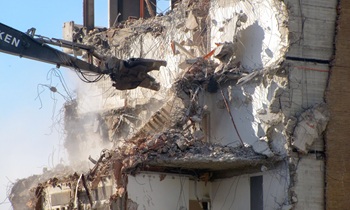
Tracking upfront embodied carbon with digital tools.
ECA welcomes procurement reforms
Public spending must back British jobs and skills.
Campaigning for Edinburgh: the Cockburn Association 1875-2049

The role of the civic voice in protecting character. Book review.
Comments
[edit] To make a comment about this article, click 'Add a comment' above. Separate your comments from any existing comments by inserting a horizontal line.