





Structural adhesives
The global structural adhesives market grew to USD ~18.3 billion in 2016 with the CAGR of ~7.9% from 2016 to 2022.
High demand for lightweight metals and composites in applications such as automotive, transportation, building and construction and furniture are expected to fuel continued demand of structural adhesives.
Increasing government spending in public infrastructure and commercial buildings is likely to drive the demand for structural adhesive in construction applications such as window panels, roofing, and wall coverings. Changing consumer lifestyle with changing trends in furniture designs for building and construction applications is also likely to boost demand. However, fluctuation in raw material prices and strict environmental regulations may hamper the market.
Structural adhesive used in automotive can provide better adhesion between distinct substrates such as steel and plastics. These composites are used in doors, window glass attachments, brakes and clutch plates and so on. High demand for passenger cars in countries such as China and India, is expected to impact on market growth.
Water based structural adhesive are largely used in rigid joining such as furniture panels, automotive assembly, joint cements and household appliances. Stringent regulations regarding the presence of volatile organic compound (VOC) in solvent based adhesives has positively impacted on this market.
The structural adhesive market is segmented into product types such as epoxy, acrylic, cyanoacrylate, urethanes and others:
- Urethane adhesive are lower cost and are preferable with respect to elastic bonding in applications such as automotive and construction.
- Cyanoacrylic adhesives are expected to see high growth due to their low toxicity and faster setting.
- Epoxy adhesives provide high strength and temperature resistance which enhance the rigidity and reduce noise of automotive components such as turbines and blades.
Asia Pacific accounts for the largest market share due to rapid industrialisation and growing demand from the construction and furniture industries. China, India, Thailand and Indonesia are the fastest growing regions due to government tax incentives, subsidies and easy availability of raw materials and labour. North America is expected to see limited growth due to the slow growth of industries post-recession.
The key players in this segment are 3M Company, The Dow Chemical Company, Ashland Inc., SIKA AG, Henkel AG & Co., Lord Corporation, Scott Bader Company, Arkema S.A., Hubei Huitian Adhesive Enterprise Co., Ried B.V. Co. and others.
[edit] Find out more
[edit] Related articles on Designing Buildings Wiki
Featured articles
Check out some of the best features and news from Designing Buildings as well as key stories from around the web.
Bridging the gap between clients and contractors

Concerns remain around contractor quality, capability, and delivery.
Construction Management, 10 June.
Heat pumps beat boilers in new home tests.
Building Safety Act implementation in Wales

CIAT to host industry panel on 26 June.
New and updated CLC building safety guidance.
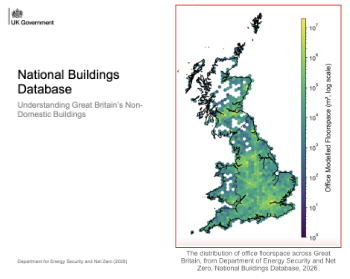
New UK National Buildings Database.
Building Safety Wiki Interviews

Chief executive of the British Woodworking Federation.
Planning condition discharge in England and Wales

A brief explanation from a building compliance expert, with further links.
Overheating guidance and tools for building designers

Guidance for dealing with element of building fabric control that have increasing importance.
Shading for housing, a design guide

From the Good Homes Alliance and British Blind and Shutter Association.
UK Standard Skills Classification (SSC)

A shared framework for describing skills needs.
Social media ban consultation comes to close

CIOB urges UK Government to consider social media’s role in careers guidance in ban debate.