





Site of importance for nature conservation
High Speed Rail (Crewe – Manchester) Environmental Statement, Glossary, abbreviations and references, published by the Department for Transport in 2022, defines Local Wildlife Site as: ‘A non-statutory site of nature conservation value that has been designated ‘locally’. These sites are referred to differently between counties. Common terms including Site of Importance for Nature Conservation, County Wildlife Site, Site of Biological Importance, Site of Local Importance and Sites of Metropolitan Importance.’
The HS2 London-West Midlands Environmental Statement, Glossary of terms and list of abbreviations (DETR 2013) suggests that sites of importance for nature conservation (SINC) are: 'Usually selected within a local authority area. This process is often managed by the local wildlife trust together with representatives of the local authority and other local wildlife conservation groups. They support both locally and nationally threatened wildlife, and many sites contain habitats and species that are priorities under the county or UK biodiversity action plans.'
[edit] Related articles on Designing Buildings
- Area of Outstanding Natural Beauty.
- Designated areas.
- How nature can be used to improve wellbeing.
- Local Nature Reserve.
- National nature reserves.
- National parks.
- Site of biological importance.
- Site of borough importance.
- Site of metropolitan importance.
- Site of Nature Conservation Interest (SNCI)
- Sites of special scientific interest SSSI.
- Special areas of conservation.
- Special protection areas.
- Types of land.
- Wildlife and Countryside Act.
Featured articles
Check out some of the best features and news from Designing Buildings as well as key stories from around the web.
Undervaluing our industrial past

Heritage value changes as taste for building styles changes.
Changing expectations around competence and compliance

New information sheet from CIAT.
Grenfell investigation files passed to CPS

Angela Rayner apologises on behalf of the British state.

Electrical contractors need to understand the practical implications.

The real barrier to getting more value from digital technology.

Your guide to The Construction Reset at UKCW Birmingham.

Accommodating the Victorian and Edwardian working woman. Book review.
Rethinking passive fire protection in design

PFP demands the same level of design rigour as structure or services.

38% of Gen Zs feel safe when a fire door is wedged open.
Stunning images from around the world

Shortlist for CIOB’s Art of Building photography competition.
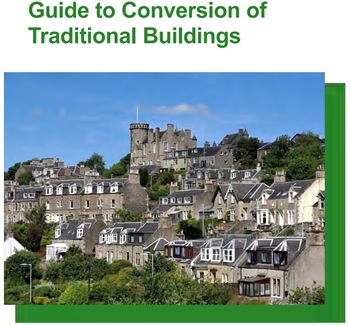
Guidance for conversion of traditional pre-1919 stone buildings.
Industrial heritage in the Ruhr
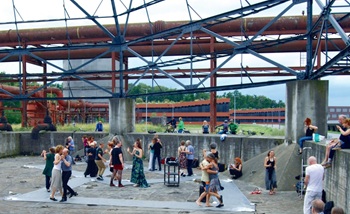
A marked difference to the fate of industrial landscapes in the UK.
Comments
[edit] To make a comment about this article, click 'Add a comment' above. Separate your comments from any existing comments by inserting a horizontal line.