





RSJ steel in building projects
The environment where a building is going to be, along with the availability of materials can contribute to determining the type of structure that is going to be required. A steel structure with supportive rolled steel joist (RSJ) beams may be selected for several reasons:
- Their stability. The material does not rot as timber beams can.
- These beams offer flexibility in a variety of designs.
- They can withstand damage that intense rain can create and the high winds that generally accompany this type of weather.
- Stores, warehouses, and other commercial and industrial sites are generally built with steel as the look of the material is consistent with these types of structures.
- Steel will not warp in moisture.
- They can be made to order, in an endless array of sizes, shapes, and weights. Although it may take a bit longer to get the desired, customised piece.
- Up front, you may have to pay more, but the structure can last longer, saving money in the long run.
When designing a new building, it is a good idea to discuss the options and prices that go along with creating a structure made from steel.
--Bmbsteel
[edit] Related articles on Designing Buildings Wiki
Featured articles
Check out some of the best features and news from Designing Buildings as well as key stories from around the web.
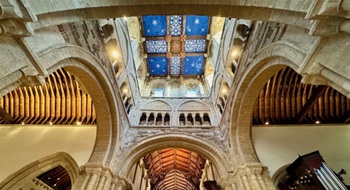
Dorset's first conservation campaigner?
Gov.uk - Hot-rolled steel plate

New anti-dumping measure imposed on South Korea.
ECA responds to the Milburn Report

Youth employment to be linked to workforce demand.
The construction industry urgently needs to attract new talent

CIOB responds to Neets report.
Grenfell Tower community update

Memorial columns to be retained as careful dismantling continues.

When buildings reflected the local resources available.

CIOB reports 57% are using artificial intelligence technologies.

More of England’s ‘hidden heroes’ will be celebrated.

CIAT calls for retrofit to be a priority.

Version 6 is now available, along with guidance for ECA members.
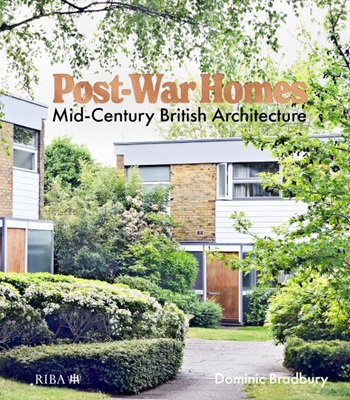
Post-War Homes: mid-century British architecture. Book review.

CIAT reflects on the party conferences.