






Qualitative research and the built environment
Contents |
[edit] Introduction
Most people live and work in some form of built environment setting, as not only the buildings but landscaped outdoor environments and even parts of the transport system, count as elements of the built environment. For many people, on an average day, almost all their time will be spent in surroundings influenced by human design (ONS, 2006).
However, it is unusual to stop and think about the feelings inspired by these environments; or, how the technologies and products used everyday influence individual thoughts, feelings and motivations; or, how the individual impacts upon the environment for others. Consciously, it is probably not something often considered, nevertheless, it is widely recognised that cues in the environments in which time is spent have a psychological impact and an emotional influence (Butterworth, 2000).
As well as this, if environments have the power to affect on an emotional level, then this is a factor which needs to be included in all work done in construction, planning and design. This is the component the social research teams add to projects and a large part of this is through qualitative research.
[edit] What is qualitative research?
Qualitative research covers a spectrum of highly useful methods which can add valuable insight to projects and businesses. These methods range from face-to-face interviews to focus groups and workshops.
Qualitative research is initial, exploratory research. Less rigid than quantitative research, it opens up discussions and encourages free speech around topics. This allows the early discovery and inclusion of emotions, opinions and trends.
Critically, it is not just about finding out what people think, but why they think it. Talking through opinions in a ‘free’ space allows true motivations and feelings to be drawn out. This gives more depth to answers than a more rigid, quantitative survey response.
[edit] When should qualitative research be used?
Qualitative methods can be extremely valuable in many situations, including developing new products, designing new spaces or even coming up with marketing initiatives. However, it is important that these methods are used at the right stage of a project and for the right reasons. These research methods should, more often than not, be used at the early stages of a project as a free space for collecting feelings, values and opinions.
Additionally, to get the most out of findings, it is essential that qualitative research is conducted well. It is surprisingly easy to influence respondents by providing them with options or including personal opinion through tone of voice or the phrasing of the questions. There is value in utilising the skills of trained researchers who have learnt to ask questions in an independent way.
This article was created by --BRE Buzz. It based on a post originally published on BRE Buzz in December 2015 written by Helen Davies.
You can see the original article here.
[edit] Related articles on Designing Buildings Wiki
- Airtightness of energy efficient buildings.
- Anatomy of low carbon retrofits: evidence from owner-occupied superhomes.
- BRE articles on Designing Buildings Wiki.
- BRE National Solar Centre.
- Building Research Establishment BRE.
- Case study.
- Design for deconstruction, BRE modular show house.
- Developing the next generation of cementitious materials.
- Pre-demolition and pre-refurbishment audits.
- Research.
Featured articles and news
Building Control Independent Panel final report

A precis of a key report lead by Dame Hackitt with full recomendations and link to the government response.
Guide to ISO 19650 for Architecture Firms (2026)
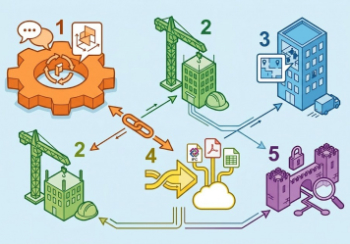
A user gives their low down.

A UK training and membership provider for mould remediation professionals.
Building Safety recap April, 2026
A short and longer run-through of the month, with links to further information and sources.
CIAT May 2026 briefing.

Independent NSI and BAFE study exploring how organisations are changing the way they buy fire safety services.

From medieval scribes to modern word art.

ECA welcomes crackdown on late payment and push for clean energy, whilst CIOB seek fixed cladding removal timeframes.
Cyber Security in the Built Environment
Protecting projects, data, and digital assets: A CIOB Academy TIS.
Managing competence in the built environment
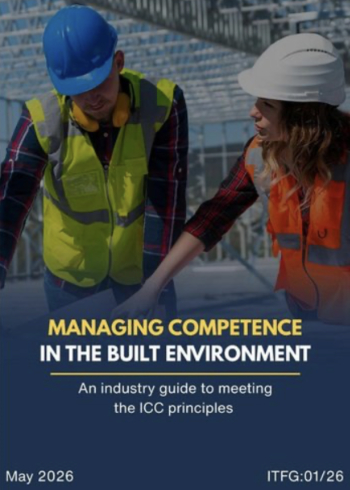
ITFG publishes new industry guide on how to meet the ICC principles.
The UK's campaign to reduce noise pollution: Mythbusting, articles and topic guides.
Setting Expectations on Competence Management
Industry Competence Committee.
New Scottish and Welsh governments
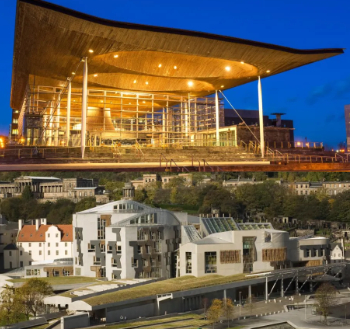
CIOB stresses importance of construction after new parliament elections.
The sad story of Derby Hippodrome

An historic building left to decay.

ECA, JIB and JTL back Fabian Society call to invest in skills for a stronger built environment workforce.